Best Dietary Supplements for Active Women: The Complete Guide
Regular sports, intense training, difficult recovery, persistent fatigue... Women’s bodies have specific nutritional needs that vary depending on the phases of the hormonal cycle, the intensity of activity, and individual goals. Dietary supplements are not reserved for bodybuilders - for an active woman, they can make a real difference to energy, recovery, joint strength, and overall well-being. Here are the ones that have proven effective.
Why Active Women Have Specific Needs
Compared with men, active women must contend with several biological factors that influence their nutritional needs. The hormonal fluctuations of the menstrual cycle change the need for iron, magnesium, and certain vitamins depending on the phase. Menstrual blood loss increases iron needs - particularly for athletes with heavy periods. Bone density is a specific concern: women are more exposed to osteoporosis, and impact exercise combined with proper supplementation is a long-term investment in skeletal strength. Joint inflammation can be exacerbated by repetitive training - knees, ankles, hips. Finally, chronic fatigue linked to a calorie deficit, whether intentional or not, is more common among active female athletes.
Essential Supplements for Active Women
Magnesium: The Anti-Cram p and Anti-Fatigue Mineral
Active women lose magnesium through sweat and use more of it for muscle energy production. A deficiency can cause cramps, especially at night, slower recovery, sleep problems, and increased nervousness. Magnesium bisglycinate is the preferred form because of its bioavailability and digestive tolerance.
Iron: A Priority for Women with Heavy Periods
Iron deficiency is the most common nutritional deficiency among active women. It causes gradually increasing fatigue, reduced performance, paleness, and poorer muscle oxygenation. Before taking supplements, a blood test measuring ferritin is recommended - excess iron can be harmful. In the event of a confirmed deficiency, choose iron bisglycinate, which is better tolerated than conventional ferrous sulfate.
Vitamin D3: Bones, Muscles, and Immunity
Vitamin D contributes to bone strength, normal muscle function, and immunity. Among athletes who train mainly indoors or early in the morning, deficiency is almost systematic outside the summer. Supplementation of 1,000 to 2,000 IU/day in autumn and winter is standard.
EPA/DHA Omega-3s: Recovery and Anti-Inflammation
Regular training generates muscle and joint micro-inflammation. EPA and DHA omega-3s are natural modulators of inflammation that promote recovery between sessions, reduce muscle soreness, and protect the joints. The effective dose is 1 to 3 g of EPA+DHA per day, depending on the intensity of the activity.
Complete Proteins: Muscle Building and Recovery
Muscle protein synthesis, which repairs and strengthens fibers after exercise, requires an adequate supply of essential amino acids. If total protein needs are covered by the diet, 1.4 to 2 g/kg of body weight per day for an athlete, supplementation is not necessary. In the event of insufficient dietary intake or intensive training, whey protein or a complete plant protein, pea + rice, can be useful after training.
Targeted Supplements According to Your Goal
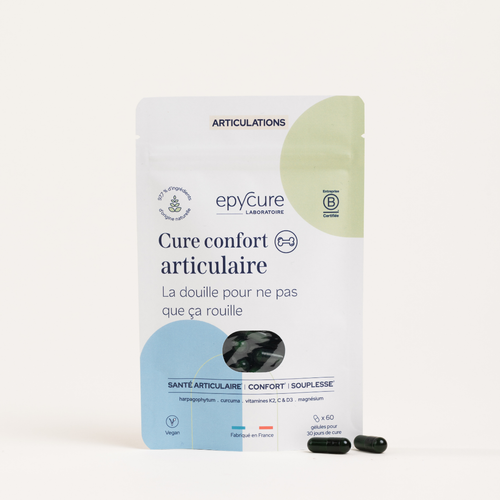
For the Joints: Collagen and Silicon
Collagen accounts for 70% of the organic matter in cartilage. Supplementation with hydrolyzed collagen, 10 g/day, or undenatured type II collagen, combined with vitamin C, which stimulates the synthesis of endogenous collagen, may contribute to joint comfort and the prevention of sports-related injuries. Organic silicon contributes to the flexibility of connective tissue.
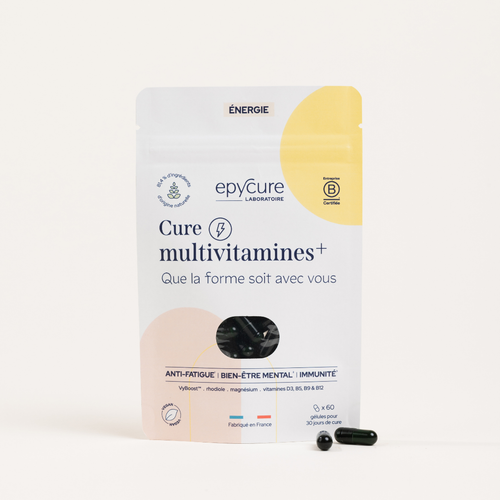
For Energy and Performance: B Vitamins and Coenzyme Q10
B vitamins, B1, B2, B3, B5, B6, and B12, are involved in converting nutrients into ATP energy. Coenzyme Q10 is an essential cofactor in the mitochondrial energy-production chain - particularly useful for active women aged 35 and over, whose natural production of CoQ10 declines.
For Comfort During the Premenstrual Phase: Magnesium + B6
Water retention, mood swings, cramps, and fatigue associated with premenstrual syndrome respond well to the combination of magnesium + vitamin B6, which supports serotonin production and regulates fluid balance.
Overrated Supplements to Avoid
Isolated BCAA, branched-chain amino acids, in powder or tablet form is often oversold. If dietary protein intake is sufficient, additional BCAAs provide no demonstrated benefit for non-competitive athletes. Creatine is effective for strength and explosive sports but of limited value for endurance sports. “Fat burners” containing stimulants, high doses of caffeine, ephedrine, or synephrine, can be counterproductive for the nervous system and sleep.
Key Takeaways
The foundation for an active woman is magnesium bisglycinate, cramps, recovery, and sleep, vitamin D3, bones, muscles, and immunity, EPA/DHA omega-3s, anti-inflammation and recovery, and iron only in the event of a deficiency confirmed by a blood test. For joint-related goals, hydrolyzed collagen with vitamin C is the best-documented investment. Diet remains essential - supplements complement and optimize it; they do not replace a solid nutritional foundation.
Dietary supplements. Adjust the doses to your profile and activity level. If you suspect a deficiency, such as iron or vitamin D, have it confirmed by a blood test before taking supplements.