While sunshine often leads to smoother, blemish-free skin, this improvement is frequently short-lived, much to the dismay of those with acne-prone skin. Behind this phenomenon lies what's known as the rebound effect . Let's separate fact from fiction to better understand how to care for acne-prone skin during the summer and prevent blemishes from returning in the fall.
What effects does the sun have on acne-prone skin?
While sunlight may seem beneficial for soothing skin conditions like acne, eczema, or psoriasis thanks to its anti-inflammatory properties, its effect is only short-lived. Before going any further, let's explore the "false" benefits of sunlight on the skin:
- Smoother skin : to protect itself from UV rays, the skin will thicken and give the impression that acne disappears by giving the illusion of smoother skin momentarily.
- Less oily skin: sun exposure may give the impression that our skin is less oily, but this is actually a defense reaction of the skin against dehydration caused by intense heat, leading to an overproduction of sebum by the sebaceous gland to compensate for this loss of hydration.
- Imperfections and scars less visible : Sun exposure can sometimes cause scars to darken, making them less noticeable with a tan. This is due to the skin 's increased production of melanin , the pigment responsible for tanning, as a way to protect itself from UV rays. This is called hyperpigmentation .
This temporary improvement in the skin leads to a phenomenon called the rebound effect .
To learn more: everything you need to know about the benefits and risks of sun exposure .
What is the rebound effect?
While we all love basking in the sun to achieve a beautiful tan and a peachy complexion during the summer months, the sun can also hold some unpleasant surprises for acne-prone skin . Indeed, the skin's appearance may seem to improve as the sun dries out blemishes and thickens the epidermis, but don't be fooled—these effects are only temporary and lead to a resurgence of breakouts at the end of summer. This is what's known as the rebound effect .
Does the sun cause acne breakouts?
The thickening of the skin after sun exposure leads to a blockage of pores and pilosebaceous follicles, creating an excess of sebum that cannot be properly eliminated. This excess sebum allows the bacteria P. acnes to proliferate, through the digestion of sebum triglycerides, potentially leading to skin inflammation , as well as the formation of blackheads and microcysts .
When skin becomes thinner again after the summer break, significant acne flare-ups can occur, and as soon as the tan fades, these breakouts become more pronounced. Meanwhile, unprotected scars remain marked by significant hyperpigmentation due to the skin's production of melanin to protect itself from the sun. Furthermore, the skin can become drier and itchy due to irritation caused by UV rays.
To better understand, here is a diagram explaining the inflammatory process of the rebound effect of acne after sun exposure:

Legend
1. Hyperkeratinization : the skin becomes harder and thicker to protect itself from UV rays.
2. Increased sebum production by the sebaceous gland blocks pores and makes it difficult for serum to be evacuated.
3. The multiplication of the P. acnes bacterium , digesting the triglycerides in sebum, secretes pro-inflammatory substances.
4. Hyperpigmentation : The skin produces more melanin to protect itself from UV rays, which colors the scars.
How to avoid the rebound effect of acne?
To avoid the return of imperfections after summer, here are the right steps to take to keep your skin radiant all year round:
Before and during the exhibition
- Use a broad-spectrum sunscreen daily with an SPF suited to your skin type and that is non-comedogenic , meaning it won't clog pores, especially if you have acne-prone skin. During the summer, remember to reapply every two hours, particularly after swimming or sweating. These steps will help limit premature skin aging and prevent hyperpigmentation of scars.
- Avoid exposing yourself during the hottest hours of the day, i.e. between 10 a.m. and 4 p.m., and seek shade periodically to limit your direct sun exposure.
- Use protective clothing and accessories such as sunglasses, wide-brimmed hats, or long-sleeved shirts.
- Stay hydrated by drinking enough water throughout the day.
- Opt for natural makeup by using lightweight cosmetics and remember to remove your makeup and cleanse your face every night to remove impurities and avoid clogging pores.
- Be careful with medications! Many acne treatments, especially tetracycline and retinoid antibiotics, are photosensitizing . Sun exposure can trigger rashes or allergic reactions. However, in most cases, it's not necessary to stop the treatment but rather to apply it preferably in the evening.
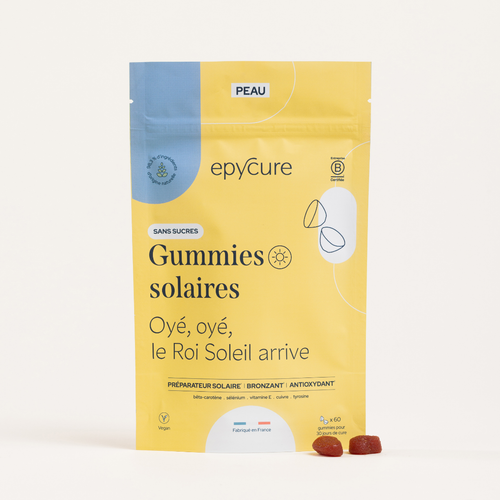
- Prepare your skin before sun exposure with our sugar-free sun gummies , enriched with beta-carotene , tyrosine and antioxidants , for a remarkably effective 3-in-1 action .
After the exhibition
- Apply a soothing after-sun lotion containing aloe vera or witch hazel to calm inflammation, reduce redness and deeply moisturize your skin.
- Exfoliate your skin regularly : opt for gentle exfoliants based on fruit acids (AHAs), which are less aggressive on the skin than coarse scrubs, such as sugar, which risk “scratching” your epidermis.
- Avoid products containing alcohol , perfumes, or any other toxins that could worsen the rebound effect.
- Avoid touching your blemishes to prevent scarring. Instead, apply anti-acne treatments to the affected area, such as an azelaic acid serum in the morning, to reduce breakouts.
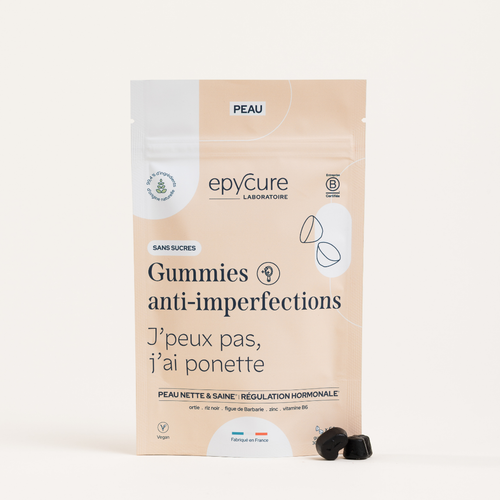
- Opt for Anti-Blemish Gummies , the targeted solution to rebalance skin prone to hormonal acne. A 3-month course is recommended to deeply regulate sebum production , soothe skin inflammation , and reduce blemishes thanks to a synergistic effect. exclusive black rice & prickly pear developed for blemish-prone skin.
- If acne persists, do not hesitate to consult a healthcare professional, such as a dermatologist , who will be able to help you overcome your imperfections.