You’ve just finished your meal. And already, that unpleasant feeling: a bloated stomach, gas building up, a sensation of heaviness setting in. Post-meal bloating affects many of us - and yet it is too often minimized or misunderstood. Here’s why it happens, and what you can concretely do about it.
Understanding why your stomach bloats after eating
Fermentation in the colon. Certain foods - legumes, cabbage, onions, whole grains - contain fermentable carbohydrates (FODMAPs) that the intestine struggles to digest. These carbohydrates reach the colon intact, where bacteria ferment them, producing large quantities of gas.
An imbalance in the microbiota. When the intestinal flora is disrupted - by stress, antibiotics, or an unbalanced diet - certain pathogenic bacteria take over. They produce more gas, disrupt intestinal motility, and cause recurring discomfort.
Stress and chewing speed. Eating too quickly causes you to swallow air, which bloats the stomach. Stress disrupts digestion through the gut-brain axis: it slows gastric emptying and increases visceral sensitivity.
Hormonal fluctuations also play a role in women. During the premenstrual period, estrogen and progesterone influence intestinal motility and promote water retention in the tissues.
Natural solutions for a lighter stomach
A few simple adjustments can make a real difference:
- Eat slowly and chew thoroughly - digestion begins in the mouth.
- Temporarily reduce foods high in FODMAPs if you are sensitive to them.
- Limit carbonated drinks during meals.
- Take part in regular gentle physical activity to stimulate bowel transit.
- Manage stress: activating the parasympathetic nervous system (deep breathing, heart coherence) helps relax the intestinal muscles.
As for plants, peppermint contributes to gastrointestinal well-being by supporting digestion (EFSA). Chamomile helps in cases of indigestion and flatulence (EFSA). Two recognized allies for fast digestive comfort.
Choosing the right anti-bloating supplements
For a lasting effect on bloating, here’s what to look for:
- A proven probiotic strain for digestion - not all strains are equal.
- Antispasmodic plants (peppermint, chamomile) for a fast effect on cramps.
- A format suited to regular post-meal use.
- A 100% natural formula, without unnecessary additives.
Epycure’s answer to bloating
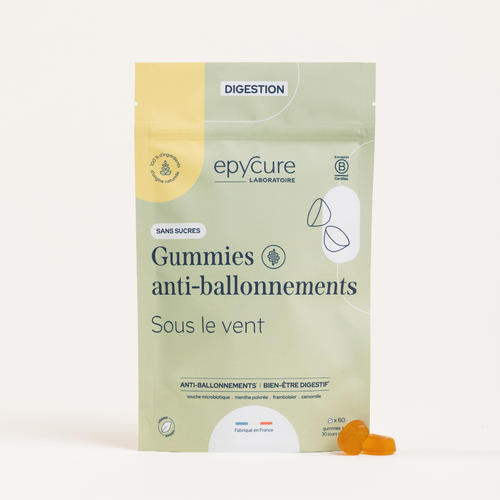
The Epycure Anti-Bloating Gummies have been formulated to act both quickly and deeply on digestive discomfort.
The key ingredient: the Bifidobacterium breve DSM 16604 strain, a tyndallized strain whose effectiveness for digestion has been clinically proven even in its inactivated form. It works on two levels: its anti-inflammatory properties improve digestive comfort, while its ability to adhere to the intestinal wall limits colonization by gas-producing bacteria.
The formula is complemented by a trio of plants:
- Peppermint (170 mg) - contributes to gastrointestinal well-being, reduces gas, and aids digestion (EFSA).
- Chamomile (20 mg) - has antispasmodic properties and relaxes the intestinal muscles (EFSA).
- Raspberry leaf extract (15 mg) - supports liver and kidney function to ease the digestive workload.
The results from Lab'Epycure speak for themselves: 96% of testers experienced less daily bloating, 87% felt lighter after meals, and 98% experienced less digestive heaviness - based on a panel of 46 people who followed the program for 1 month.
Formula made with 100% naturally sourced ingredients, vegan, gelatin-free (apple pectin), with no added sugars. Made in France. The apple-pear-flavored gummies are taken after meals - 2 gummies/day, as a long-term program or occasionally.
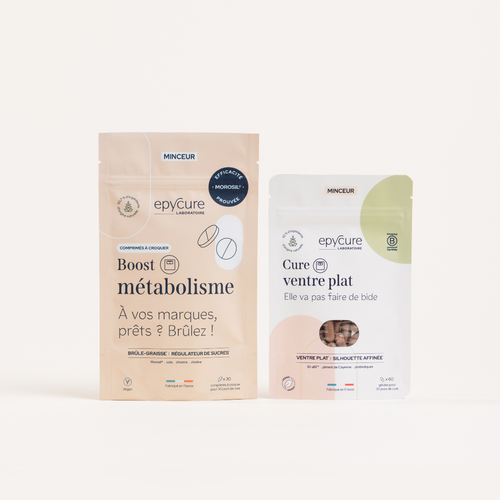
For overall digestive comfort, the Anti-Bloating Gummies pair perfectly with the rest of our digestion range in the Flat Stomach Duo, from €45.05/month.
In summary
A bloated stomach after eating is not inevitable. Identified causes and concrete solutions - dietary, behavioral, and nutritional - can help restore lasting digestive comfort. Targeted active ingredients, in effective doses, in a formula designed for your everyday life. Your stomach deserves better than a simple “it’ll pass.”
📚 Read also