Bloating after meals is one of the most common discomforts - and one of the most misunderstood. We accept it as inevitable, loosen our belt, and move on. Yet, in most cases, specific causes explain this bloating - and solutions exist.
Understanding post-meal bloating
Bloating is caused by a buildup of gas in the digestive tract. This gas mainly comes from the fermentation of undigested food by bacteria in the colon. Several factors speed up this process:
- Eating too quickly: we swallow air, digestive enzymes do not have time to act, and food reaches the colon only partially digested.
- Some fermentable foods (FODMAPs): legumes, cabbage, onions, apples, and lactose in sensitive individuals.
- An imbalance in the microbiome: when there are too many pathogenic bacteria, they ferment more and produce more gas.
- Stress: through the gut-brain axis, stress slows digestive motility and increases intestinal sensitivity.
- Hormonal fluctuations: around menstruation, fluctuations in progesterone slow transit and promote abdominal water retention.
Natural solutions
Dietary changes:
- Chew slowly and eat without screens - simply slowing down significantly reduces the amount of air swallowed.
- Gradually introduce fiber if your diet has been lacking in it.
- Limit carbonated drinks and straws.
- Identify your trigger foods (FODMAPs, lactose, or gluten if intolerant).
Lifestyle changes:
- A 10-minute walk after a meal helps support transit.
- Reducing chronic stress improves digestive motility.
- Peppermint, chamomile, or ginger infusions have recognized digestive benefits.
How to choose the right supplements
For a fast and lasting effect on bloating, the most effective supplements combine:
- Targeted probiotics: not all strains are equal. Look for strains specifically studied for digestive discomfort, with a guaranteed number of CFUs.
- Antispasmodic plants: peppermint and chamomile quickly reduce cramps and gas.
- Hepatobiliary plants: to support the digestion of fats after heavy meals.
Be careful with probiotic Gummies: their production involves heating, which destroys live strains. Only tyndallized strains (inactivated but effective) work in this format.
The Epycure solution
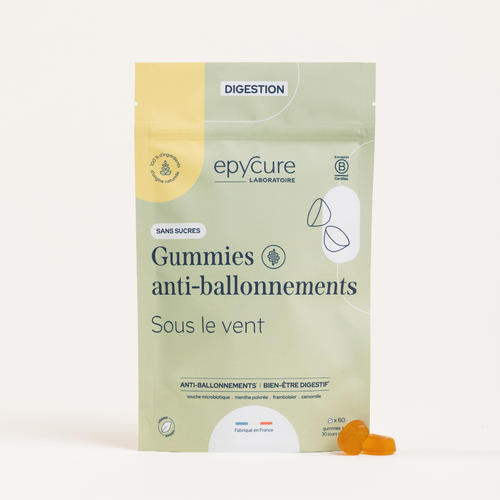
Anti-bloating Gummies combine the tyndallized probiotic strain Bifidobacterium breve DSM 16604 (100 mg) - studied for reducing gastrointestinal discomfort - with a trio of complementary plants: peppermint (170 mg), which supports gastrointestinal well-being by supporting digestion, chamomile (20 mg), which helps with indigestion and flatulence, and raspberry leaf (15 mg) to support the liver and aid the digestion of fats.
Lab'Epycure: 96% less bloating, 87% feeling lighter after meals, 98% less heaviness (46 testers, 1 month). 100% natural ingredients, apple/pear flavor, made in France.
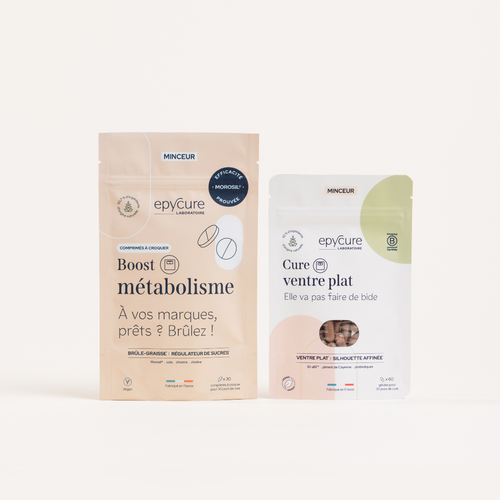
To also address abdominal water retention, the Flat Stomach Duo combines the Anti-bloating Gummies and the Flat Stomach Course for comprehensive action.
In summary
A bloated stomach after eating is not inevitable. Identifying your triggers, adapting your diet, and supporting your microbiome are the three levers that can truly make a difference - often within just a few days.
📚 Read also