Bloated after lunch, heaviness at the end of the evening, uncomfortable gas… Bloating is one of the most common digestive disorders: nearly one in three French people experiences it regularly. Yet it is rarely discussed — and we often put up with it in silence, convinced that it is “normal.”
It doesn’t have to be this way. Understanding what is happening in your stomach is the first step toward addressing it naturally and sustainably.
Why do we get bloated after meals?
Bloating results from a buildup of gas in the intestines. These gases have two main origins: air swallowed during meals (aerophagia) and gases produced by the fermentation of food in the colon. When their quantity exceeds the intestine’s ability to absorb or eliminate them, pressure increases — and the stomach swells.
Several factors can worsen this phenomenon:
- A diet rich in FODMAPs — these fermentable carbohydrates found in onions, legumes, apples, or dairy products can be difficult for some people to digest.
- An imbalance in the gut microbiota — an excess of gas-producing bacteria in the colon considerably increases fermentation.
- Slow digestion — when transit slows down, food ferments for longer in the intestines.
- Stress and anxiety — the enteric nervous system (the “second brain”) reacts directly to emotions and can disrupt intestinal motility.
- Insufficient chewing — eating too quickly encourages air intake and increases the digestive workload.
Chronic bloating: when should you consult a doctor?
Occasional bloating after a heavy meal is completely normal. However, if you experience bloating systematically — several times a week, regardless of what you eat — it is a good idea to discuss it with your doctor. Conditions such as irritable bowel syndrome (IBS), lactose or gluten intolerance, or SIBO (small intestinal bacterial overgrowth) may be involved.
In all cases, the natural approaches described below complement medical care; they are not substitutes for it.
Plants that relieve bloating
Herbal medicine offers well-documented solutions for calming digestive discomfort:
- Peppermint is the go-to option. Its active compounds (especially menthol) have been the subject of numerous clinical studies: it contributes to gastrointestinal well-being and helps relieve spasms. It is particularly effective in cases of irritable bowel syndrome.
- Chamomile (matricaria) has recognized antispasmodic and carminative properties. It helps with indigestion and flatulence, two symptoms directly related to bloating.
- Raspberry leaf contributes to digestive comfort and transit regulation, complementing the action of the two plants above.
- Ginger stimulates the production of digestive enzymes and speeds up gastric emptying — mechanically reducing fermentation time.
The key role of probiotics
While plants act downstream (by relieving symptoms), probiotics act upstream, addressing the cause: an imbalance in the microbiota.
Bifidobacterium breve DSM 16604, used in tyndallized form (as a postbiotic), is a strain that has been particularly studied for its effect on intestinal comfort. Unlike conventional probiotics, tyndallized probiotics (heat-inactivated bacteria) are more stable, do not require refrigeration, and retain their beneficial properties for the intestinal lining.
This “postbiotic” approach represents the new generation of microbiota supplements: more precise, more stable, and with no risk of bacterial overgrowth for sensitive individuals.
Eating habits: adjustments that make all the difference
In addition to supplements, a few daily habits can significantly reduce bloating:
- Chew slowly — at least 20 to 30 times per bite. Digestion begins in the mouth.
- Limit carbonated drinks during meals — they introduce air directly into the digestive tract.
- Avoid drinking too much during meals — this dilutes stomach juices and slows digestion.
- Cook your vegetables — raw vegetables, although nutritious, ferment more easily in sensitive individuals.
- Take a short walk after meals — even 10 minutes stimulates intestinal motility.
What Epycure users say
In internal studies conducted by Lab'Epycure among users of our digestive formulas:
- 96% report less bloating
- 87% feel lighter after meals
- 98% notice a reduction in digestive heaviness
These results are generally observed after 2 to 4 weeks of regular use — the time needed for the microbiota and intestinal lining to begin responding.
Our product recommendation
For lasting lightness in your stomach
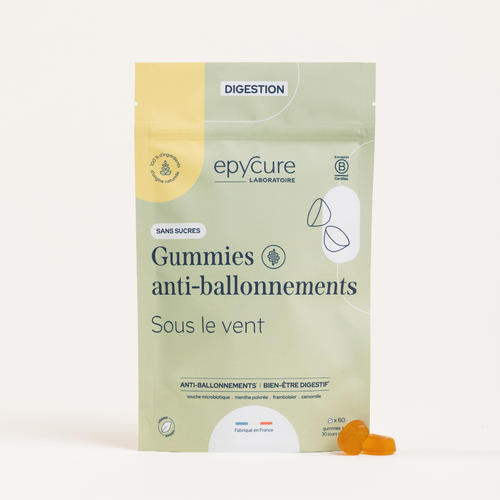
Our anti-bloating formulas combine the most effective carminative plants (peppermint, chamomile, raspberry leaf) with tyndallized Bifidobacterium breve DSM 16604 to address both symptoms and microbiota balance.
- Anti-bloating Gummies — an enjoyable gummy format, ideal for taking on the go, to be taken after meals that cause discomfort.
- Intestinal Comfort Trio — our most comprehensive formula for deep microbiota rebalancing, combining probiotics, prebiotics, and digestive plants.
In summary
Bloating is common but not inevitable. It often signals an imbalance in the microbiota, slowed digestion, or a diet that does not suit your intestinal sensitivity. By combining a few simple dietary adjustments, targeted carminative plants, and quality probiotic support, most people regain significant digestive comfort within a few weeks.
Your stomach is talking to you — it’s time to listen.