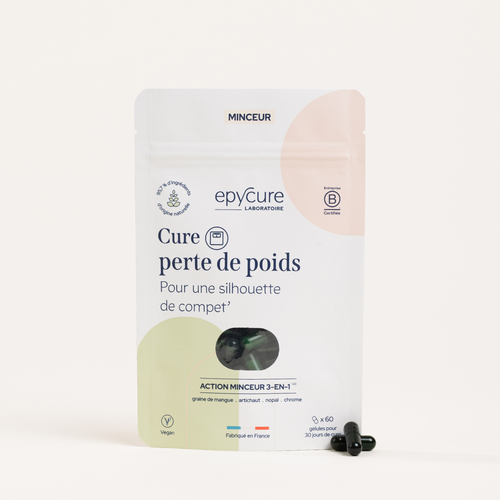
When your lower abdomen is a little rounded, it may be due to bloating, a lack of tone in the abdominal muscles, or simply an accumulation of fat. And if fat around the stomach develops very quickly, it can be extremely difficult to get rid of. So even after dieting, doing cardio, or completing ab workouts, you may still be unable to make your little belly disappear. Your lifestyle and eating habits probably need a few adjustments. Here are some tips to help you lose that little belly that follows you everywhere.
Why is it so difficult to have a flat stomach?
To begin with, it seems essential to understand where a rounded belly may come from and why it is so difficult to get rid of. Often, the stomach may look bloated because of a poor diet and an accumulation of fat. This generally refers to subcutaneous abdominal fat, which is hidden beneath the skin, and to a lesser extent visceral fat, which is more dangerous to health because it surrounds the organs. Whatever their origin, several factors affect how fat is stored and how difficult it is to get rid of, such as age, hormones, stress, digestive problems, sleep disorders, and more.
- For example, as we age, the body changes and the metabolism slows down, which means that we burn fewer calories to function. During the perimenopause and menopause phases, it is therefore common to accumulate more fat around the lower abdomen. Be careful not to confuse fat with loose skin…
- Body shape also plays a major role. In fact, someone who tends to accumulate fat around the stomach and hips has an apple-shaped body, which means that it is more difficult to release abdominal fat unless they engage in regular physical activity.
- A healthy diet and a good exercise routine do not mean that we do not store fat. Indeed, stress can also be responsible for the accumulation of fat in the body, particularly around the abdomen, due to excess cortisol in the body (the stress hormone).
- Moreover, a rounded lower abdomen is not necessarily caused by fat, but simply by air. An unsuitable diet rich in refined products can strongly affect digestion and intestinal transit, causing fermentation problems and excess gas produced in the intestines, which automatically makes the lower abdomen swell.
Foods that are the enemy of a flat stomach
There are therefore many reasons why you may not have a flat stomach. In addition to all these factors, certain foods and drinks make the stomach swell and should therefore be avoided in your daily life.
- Carbonated drinks: Sparkling water and soft drinks, which are full of bubbles and therefore gas, are the enemy of flat stomachs because they cause bloating. Choose still water instead, or if you cannot do without sparkling water, drink it in small sips to swallow less air.
- Beer: It is the drink most likely to make the stomach swell because, in addition to being particularly high in calories, the yeast and gas it contains cause bloating.
- Chewing gum: Chewing makes you swallow air when you swallow, which causes the stomach to swell. So, to prevent your stomach from filling with gas, avoid consuming it as much as possible.
- Saturated fats: Although they are far from being the only cause of bloating, they are one of the contributing factors. Fatty foods such as fried foods, dishes with sauces, deli meats, certain cheeses, and so on are difficult to digest and therefore slow down intestinal transit. They cause digestive discomfort such as bloating and flatulence.
- Sugar: Sugar can be stored as fat, or even more so… Simple sugars, or carbohydrates with a high glycemic index, found in biscuits, white bread, and sweets, for example, raise blood glucose levels, which boosts insulin secretion and therefore the body’s ability to store fat. So avoid snacking, which causes insulin spikes, and choose low-glycemic-index carbohydrates such as whole grains.
- Processed foods: Rich in sugar and fat, they also contain a large amount of salt. Unfortunately, salt promotes water retention and therefore contributes to a bloated-looking stomach. In addition, fats and sugars are directly stored in adipose tissue.
- Cruciferous vegetables: Cauliflower, broccoli, Brussels sprouts, and so on ferment in the stomach and therefore promote bloating. In fact, the sulfur compounds in cruciferous vegetables make them relatively difficult to digest. Avoid eating them too often and consider blanching the leaves in boiling water with baking soda before cooking them.
- Raw vegetables: Some raw vegetables are genuinely difficult to digest and ferment in the digestive tract. They create a feeling of bloating and unpleasant gas. Feel free to choose lightly cooked vegetables instead.
Foods to choose for a flat stomach
To regain a flat stomach, you need to choose the right foods. Without talking about dieting, a healthy, balanced diet is the key to a healthy body and a flat stomach. Change your habits over the long term by eating a varied diet, eating according to your hunger, and incorporating essential nutrients into your diet (fiber, protein, carbohydrates, essential fatty acids, vitamins, and minerals). Nothing beats simple cooking based on unprocessed, natural products.
- Tree nuts: Perfect snacks, walnuts, almonds, and hazelnuts are rich in omega-3s, which are digested slowly, promote a feeling of fullness, and prevent snacking.
- Protein: Eggs, turkey, chicken breast, legumes, and tofu are rich in essential amino acids, allowing them to repair tissues, maintain muscle mass, and boost metabolism.
- Green tea: It contains powerful antioxidants with a thermogenic effect, meaning that they increase calorie expenditure and promote fat oxidation.
- Apple cider vinegar, a slimming tip: It reduces appetite and blood sugar and insulin levels, and also promotes fat burning, particularly in the abdominal area.
- Complex carbohydrates: Quinoa, whole grains, legumes, … with a low glycemic index, help maintain stable energy levels and limit storage in the form of fat.
- Blueberries, antioxidant berries: This fruit, which is rich in fiber and low in calories, may help reduce body fat, lower cholesterol levels, and reduce blood sugar levels.
- Fish: Salmon, sardines, herring, … They are rich in anti-inflammatory omega-3s and help with the proper absorption of fats and the regulation of intestinal transit.
- Fermented foods: Miso, kefir, sourdough bread, … These natural probiotics repopulate your intestines with beneficial bacteria and contribute to proper digestion.
- Fresh fruit: Apples, pears, bananas, pineapple, and plums are easy to digest, rich in essential nutrients (vitamins and minerals), and contain plenty of soluble fiber that facilitates intestinal transit.
- Green leafy vegetables: Spinach, Swiss chard, zucchini, asparagus, lettuce, … all these plants provide our bodies with an enzyme that nourishes beneficial bacteria and improves digestive well-being.
- Ginger, a powerful antioxidant: When taken before a meal, its rhizome helps prevent bloating, stimulates digestive enzymes, and thus promotes better digestion.
- Oat flakes: Filling and low in calories, oats provide the body with energy and therefore help control cravings. Thanks to their fiber content, oats improve intestinal transit, one of the essential conditions for a flat stomach.
- Still water: Water retention is one of the main causes of a bloated stomach. Sufficient hydration helps drain the body and therefore eliminate toxins, combat water retention, and may have an appetite-suppressing effect. So drink regularly throughout the day, approximately 1.5 to 2 liters.
As you know, diet is not the only factor that affects stomach bloating. To regain a flat stomach, remember to exercise: combine targeted exercise (abs, Pilates, …) with a little cardio (jogging, cycling, …) to burn abdominal fat and develop your transverse abdominal muscles. Also remember to practice mindful eating by savoring every bite of your meal and taking the time to chew, because eating too quickly and in excess causes food to ferment in our intestines, leading to heaviness, reflux, and bloating.
📚 Also read
✨ Our Epycure solutions