You go to bed exhausted, but your mind refuses to switch off. You wake up at 3 a.m. for no apparent reason. Or you sleep for 7 hours and still wake up tired. These often-overlooked signs are very frequently linked to a magnesium deficiency. A mineral we tend to underestimate - and yet one that is essential to the quality of your nights.
Magnesium, a key player in nervous system relaxation
Magnesium is involved in more than 300 enzymatic reactions in the body. Its role in the nervous system is particularly important: it contributes to the normal functioning of the nervous system and to normal psychological functions.
In practical terms, magnesium promotes activation of the parasympathetic nervous system - the one that allows you to unwind at the end of the day. It also contributes to the regulation of GABA, the neurotransmitter associated with calm. Without enough of it, the brain remains on high alert, even when you want to sleep.
The problem? In France, it is estimated that nearly 70% of adults do not reach the recommended daily intake. And stress makes the deficiency even worse: under chronic tension, the body excretes more magnesium in the urine. A vicious cycle that is particularly difficult to break.
The real causes of fragmented sleep
A lack of magnesium is rarely the sole cause of poor-quality sleep. Sleep disorders are almost always multifactorial. Chronic stress keeps the body in a prolonged state of alert and prevents the transition to rest. Hormonal imbalances - particularly during menopause or perimenopause - disrupt deep sleep phases. Mental overload prevents the brain from switching off at the end of the evening. Finally, a vitamin B6 deficiency can slow serotonin synthesis, the precursor to melatonin, the hormone that regulates the sleep-wake cycle.
That is why an approach that acts on several of these mechanisms will always be more effective than melatonin supplementation alone.
How to choose the right supplements for sleep
There are many products on the market, and their quality varies. The form of magnesium matters: bisglycinate is much better absorbed than oxide or carbonate. The presence of adaptogenic plants is a real asset for addressing the underlying causes rather than masking the symptoms. The absence of exogenous melatonin is preferable to avoid any risk of dependence or disruption of natural rhythms. And the synergy between active ingredients makes all the difference: magnesium, plants and B vitamins work together much more effectively than when taken separately. Also check that the formula is made in France with complete ingredient traceability, and is free from endocrine disruptors, nanoparticles and artificial preservatives.
The Epycure solution for truly restorative nights
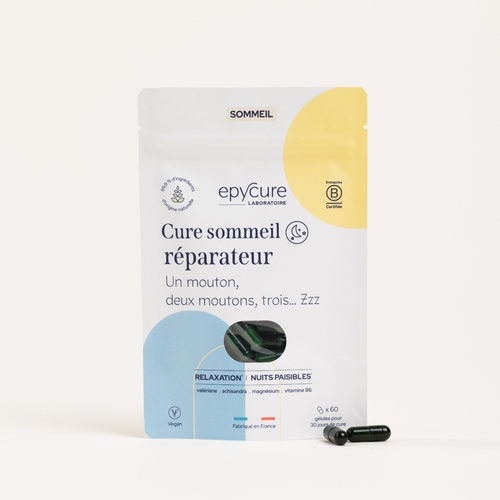
The Epycure Restorative Sleep Course has been designed to work without melatonin and without habituation, by targeting the underlying causes of disrupted sleep.
Its key ingredient is Schisandra (Schisandra chinensis), an adaptogenic berry that has been used for centuries in traditional Chinese medicine. It helps the body better withstand stress - one of the leading causes of fragmented sleep - and supports the mental balance conducive to falling asleep.
The formula also combines:
- Valerian, traditionally used to help promote sleep onset and maintain natural sleep.
- Magnesium, which contributes to the normal functioning of the nervous system and normal muscle function.
- Vitamin B6, which contributes to normal psychological functions and supports serotonin synthesis, the precursor to melatonin.
The formula contains 99.9% ingredients of natural origin. Made in France, vegan, gluten-free, lactose-free and GMO-free. Epycure is B Corp certified, with in-house formulation by the R&D team and production in ISO 22000- and ISO 9001-certified laboratories.
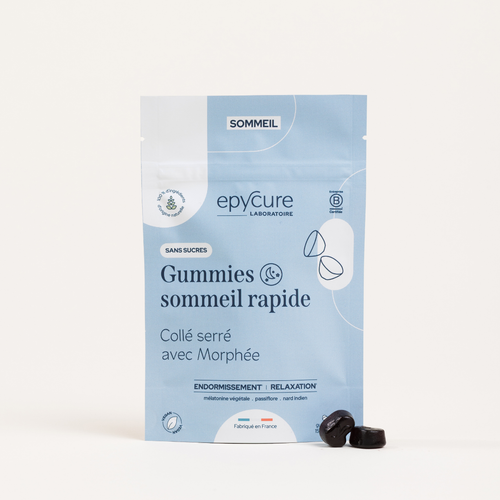
For particularly difficult nights, you can combine it with Epycure Sleep Gummies: a delicious format to take occasionally to help you fall asleep quickly.
Timeline of effects: from Day 15, the first signs of calm can be felt. By Day 30, the frequency of nighttime awakenings decreases. By Day 90, sleep quality improves sustainably.
In addition, a few simple habits can enhance its effectiveness: limit screen use for one hour before bedtime, avoid caffeine after 2 p.m., and establish a regular evening routine.
📚 Also read