Why is sleep so important for health?
Sleep is not a passive pause. It is during the night that your body repairs its tissues, consolidates memory, regulates hormones, and strengthens the immune system. Chronic sleep deprivation is associated with weight gain, reduced concentration, an increased risk of cardiovascular disease, and weakened immunity.
In short: getting good sleep is the foundation for everything else.
The main causes of sleep problems
Before looking for solutions, you need to understand what is disrupting your sleep. The most common causes are:
Stress and anxiety
This is the number one culprit. In the evening, your mind is still running at full speed - thoughts keep coming, and your body does not relax. Cortisol (the stress hormone) remains elevated when it should be falling to make way for melatonin.
A disrupted circadian rhythm
Screens, irregular schedules, travel, or simply insufficient exposure to natural light can throw your internal clock out of sync.
Poor sleep hygiene
A room temperature that is too high, overly bright lights in the evening, heavy late meals: all factors that sabotage falling asleep.
Nutritional deficiencies
Magnesium, melatonin, tryptophan, certain adaptogenic plants… your body needs specific resources to produce the right neurotransmitters that promote relaxation and sleep.
8 natural methods for better sleep
1. Establish a bedtime ritual
Your brain needs signals to understand that it is time to slow down. A regular ritual - at the same time, with the same actions - conditions the body to relax.
2. Limit screen time 1 hour before bedtime
The blue light from phones and computers blocks the production of melatonin, the hormone that triggers sleep.
3. Optimize your sleep environment
The ideal temperature for sleeping is between 16 and 19°C. A dark, quiet, cool bedroom promotes deeper sleep.
4. Get moving - but not too late
Regular physical activity significantly improves sleep quality. Prefer exercising in the morning or early afternoon.
5. Watch what you eat in the evening
Avoid alcohol and caffeine after 2 p.m. Choose foods rich in tryptophan: nuts, bananas, dairy products.
6. Manage your stress during the day
Meditation, heart coherence, exercise, journaling: find your pressure-release valve.
7. Expose yourself to natural light in the morning
In the morning, expose yourself to natural light as soon as you wake up - even 10 minutes is enough to reset your circadian clock.
8. Support your body with the right natural active ingredients
Certain plants and nutrients help reduce the time it takes to fall asleep and promote deeper sleep.
Which natural active ingredients help you sleep better?
Melatonin
Melatonin is the body's natural sleep hormone. Low-dose supplementation (1 mg) helps reduce the time it takes to fall asleep - an EFSA-authorized claim.
Valerian
Known for its relaxing properties and its ability to support sleep quality. It acts on GABA receptors naturally and without dependence.
Passionflower
Passionflower helps maintain normal sleep. It is ideal for anxious people whose minds never really stop.
Magnesium
Magnesium helps reduce fatigue and supports normal nervous system function. A bioavailable form (bisglycinate, malate) is preferable.
Ashwagandha
This adaptogenic plant helps the body manage stress better, indirectly promoting easier sleep onset.
Sleep Gummies or a capsule course: what is the difference?
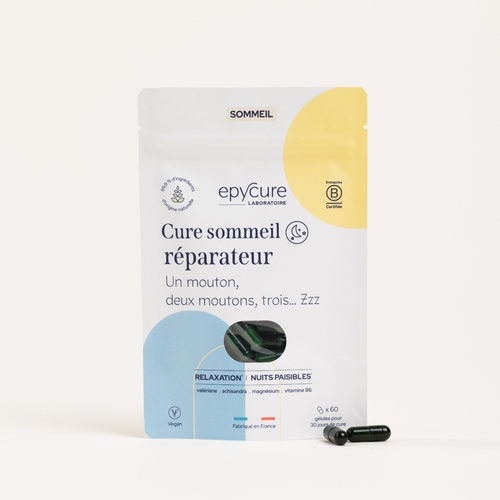
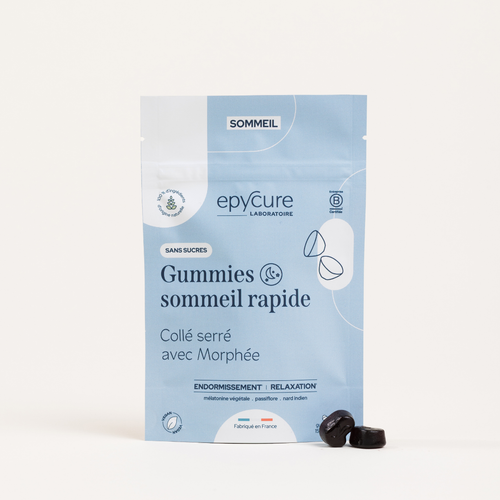
Gummies for Fast Sleep are designed to act quickly - ideal if you have trouble falling asleep. The Restorative Sleep Course in capsule form is intended for people who want a more comprehensive, long-term effect: cycle quality, sleep depth, and nighttime awakenings. In both cases, Epycure formulas are made with 96% ingredients of natural origin, free from endocrine disruptors, and manufactured in France.
Key takeaways
Sleeping better naturally is not just about swallowing a capsule. It is a combination of small adjustments - lifestyle, stress management, and environment - that the right natural active ingredients help amplify and support.
Food supplements. They are not a substitute for medical treatment. If you have severe or persistent sleep problems, consult a healthcare professional.