Anti-inflammatory diet: foods and supplements that reduce chronic inflammation
Joint pain, persistent fatigue, digestive problems, reactive skin... Silent inflammation is at the heart of many modern health issues. Unlike acute inflammation (which is useful and temporary), low-grade chronic inflammation develops quietly and damages tissues over the long term. The good news: diet is one of the most powerful ways to modulate it.
Understanding chronic inflammation
Inflammation is a natural defense mechanism. Normally, this response is temporary and resolves within a few days. The problem arises when this mechanism remains permanently activated at a low level. This chronic “inner fire” is recognized as a factor contributing to many diseases: cardiovascular, metabolic, and autoimmune conditions. The modern diet - rich in refined sugars and trans fats and low in fiber - is one of its main triggers.
Pro-inflammatory foods to reduce
Refined sugars and ultra-processed products cause blood sugar spikes that promote the production of inflammatory cytokines. Trans fats disrupt the omega-6/omega-3 balance. Processed meats are associated with increased inflammatory markers. Excess alcohol increases intestinal permeability and promotes metabolic endotoxemia.
Anti-inflammatory foods to prioritize
Oily fish (salmon, sardines, mackerel)
Rich in EPA and DHA omega-3s, the fatty acids with the strongest anti-inflammatory effects. Aim for two to three servings per week.
Colorful vegetables
Plant pigments - carotenoids, anthocyanins, chlorophyll - are powerful antioxidants that neutralize free radicals. The more colorful the plate, the more anti-inflammatory it is.
Berries
Blueberries, raspberries, cherries, pomegranates... Rich in anthocyanins, with a particular effect on joint and cardiovascular health.
Extra virgin olive oil
Oleocanthal, a polyphenol in olive oil, has an anti-inflammatory effect comparable to that of low doses of ibuprofen. Use it raw over prepared dishes.
Turmeric and ginger
Curcumin and gingerols are among the best-studied natural anti-inflammatory compounds. For turmeric, combining it with black pepper increases its absorption twentyfold.
Legumes and whole grains
Rich in fiber, they nourish the microbiota, which produces short-chain fatty acids with anti-inflammatory properties.
The most effective anti-inflammatory supplements
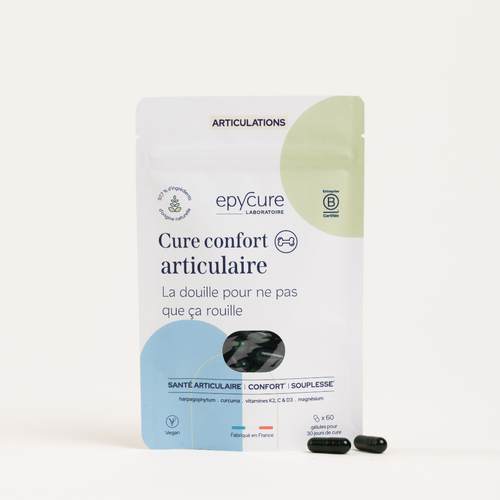
EPA/DHA omega-3s make it possible to reach therapeutic doses (2–3 g/day) that are difficult to obtain through diet alone. Curcumin-standardized turmeric (95%), combined with piperine, offers documented anti-inflammatory effects for joint pain. Type II collagen has been shown in studies to reduce joint discomfort. Vitamin D directly modulates the immune system and reduces the production of pro-inflammatory cytokines.
Key takeaways
An anti-inflammatory diet is not a restrictive diet: it is a rich, colorful, and varied eating pattern similar to the Mediterranean diet. Reducing refined sugar, increasing omega-3s, and eating more colorful vegetables and polyphenols - these changes have a documented effect on inflammatory markers within a few weeks.
Dietary supplements. If you have a diagnosed inflammatory condition, consult your doctor before making any changes to your diet or supplementation.