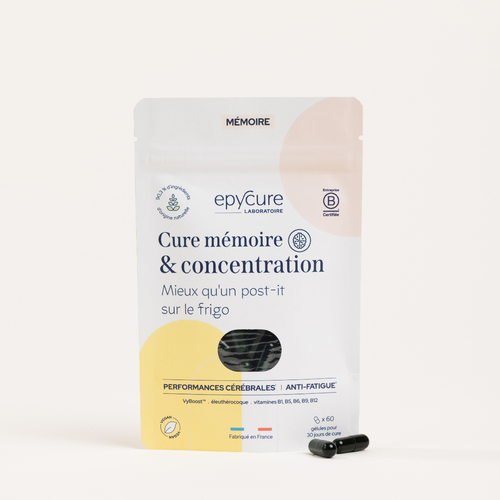
Memory disorders, learning difficulties, and declines in concentration can occur at any age. That is why it is important to recognize that nutrition plays an essential role in maintaining and improving cognitive functions. Yes, memory, concentration, and learning are functions that can be boosted by diet, particularly by certain micronutrients. Today, we take a look at the beneficial vitamins that boost our intellectual performance.
What is the link between memory and diet?
The brain is one of the most important organs in the human body, since the functioning of the body depends on it. We all have approximately 100 billion neurons, which communicate with one another through neurotransmitters. These molecules affect our ability to concentrate and remember, and control our mood, desires, and sleep. They include norepinephrine, acetylcholine, and dopamine. It is important to know that these neurotransmitters are made from certain nutrients: 40 nutrients are thought to be involved in brain function. Thus, consuming specific foods contributes to proper brain function, helps us improve memory and concentration, and reduces the risk of developing neurodegenerative diseases such as Alzheimer's disease.
Which foods are good for brain health?
Since the link between diet and brain health has been clearly demonstrated, it seems essential to consume sufficient macronutrients (proteins, carbohydrates, and fats) and micronutrients (vitamins and minerals) to ensure optimal brain performance throughout the day. The brain needs glucose to provide the energy required for the functioning of neurons and glial cells. It also needs fats, which are components of neuron membranes, and proteins, which are converted into amino acids needed to produce certain neurotransmitters. In general, following a Mediterranean-style diet rich in omega-3s, lean proteins, and vitamins is recommended to improve cognitive abilities. This diet mainly consists of oily fish, fruits and vegetables, legumes, and whole grains, all cooked in olive oil. In contrast, consumption of red meat, sugary foods, and saturated fats is limited because it increases the risk of cardiovascular disease and cognitive disorders.
Which vitamins naturally stimulate the brain?
Several studies have shown that certain vitamins can improve brain function and protect it against cognitive decline. In addition, other research has proven that a deficiency in vitamins can have harmful effects on brain health. Although other vitamins are needed to promote optimal cognitive function, we have listed the vitamins that are essential for proper brain function and particularly effective.
Vitamin B9
Also known as folic acid, it promotes the formation of red blood cells and therefore contributes to the transport of oxygen essential for proper brain function. It is involved in the formation of several neurotransmitters and thus plays an important role in mental acuity and the maintenance of brain functions. A deficiency in vitamin B9 facilitates the occurrence of strokes. It is found in dried fruit, legumes, whole grains, leafy green vegetables, and fruits such as bananas and oranges.
Vitamin B1
It is involved in the production of energy and therefore facilitates the brain's assimilation of glucose. Ideal for maintaining a stable amount of energy in the brain, it plays a major role in attention and concentration functions. It is also involved in the composition of the myelin sheath, a protective covering that ensures the normal transmission of nerve signals from one part of the body to another. Finally, it is part of acetylcholine and therefore helps improve memory and learning. It is found in meat, whole grains, fresh vegetables, and dried fruit.
Vitamin B12
Vitamin B12 is used to regenerate neurons and the myelin sheath. Its action is therefore closely linked to short-term memory and intellectual vitality. It is particularly essential during adolescence to promote healthy intellectual development. A deficiency in this vitamin causes memory loss, mental slowness, and changes in mood. Pay attention to your intake, as vitamin B12 deficiency is fairly common in France, especially among older people and vegetarians. It is found in meat and organ meats, eggs, dairy products, and, to a lesser extent, whole grains.
Vitamin B6
This is one of the most comprehensive vitamins. It promotes the formation of neurotransmitters such as dopamine, epinephrine, GABA, and acetylcholine. A good intake of this vitamin prevents cognitive decline and would therefore be an important protective factor in helping maintain cognitive health as we age. It is found in wheat germ, dried fruit, eggs, meat, dairy products, almonds and grains, and vegetables.
Vitamin C
This is a powerful antioxidant that protects the brain against oxidative stress. Its role is therefore decisive in preventing the onset of neurodegenerative diseases. In addition, it facilitates the absorption of iron, a mineral involved in transporting oxygen to the brain and therefore contributing to functions such as memory and attention. Finally, vitamin C is essential for the production of neurotransmitters. It is considered a natural antidepressant because it can increase serotonin levels, the neurotransmitter associated with positive mood. It is found in fruits such as citrus fruits, kiwis, pineapples, strawberries, and raspberries, as well as in leafy green vegetables and peppers.
Vitamin D
This vitamin is synthesized by the body when our skin is exposed to sunlight. It plays a major role in the brain by promoting its development and proper cognitive function. It may also help improve mood. The best dietary source is cod liver oil or fish oil. Certain foods, such as oily fish and mushrooms, also contain it.
Vitamin E
Finally, vitamin E also contributes greatly to brain health. It is a powerful antioxidant that helps improve cognitive functions while protecting the brain from degenerative processes. It is found mainly in plant-based fats such as vegetable oils (soybean, sunflower), nuts (walnuts, almonds), seeds, and fruits and vegetables.
Vitamin K
In addition, vitamin K helps improve learning and memory functions. This vitamin is found in high concentrations in leafy green vegetables and fermented foods.
Why use dietary supplements?
As you will have understood, like the rest of the body, the brain must be nourished and protected every day with certain nutrients. However, it is rare to obtain all the vitamins our brain needs because it is difficult to maintain a varied and balanced diet every day, and because certain factors such as stress, anxiety, and the use of medication, tobacco, or alcohol increase the body's need for micronutrients. Thus, nutrients with recognized benefits for the brain can be supplied through dietary supplements enriched with vitamins and fatty acids in particular. Taken as part of a supplement, these vitamins can help preserve cognitive functions and boost intellectual performance.
In our personalized programs designed to support memory, you will find vitamins B1, B5, C, E, A, and B6 to support your intellectual abilities.