Chronic fatigue, diffuse pain, digestive problems, accelerated aging… Low-grade chronic inflammation is now recognized as a common factor in many conditions: cardiovascular disease, diabetes, neurodegenerative disorders, and cancer. And what we eat has a direct and measurable influence on this level of inflammation.
An anti-inflammatory diet is neither a weight-loss diet nor a fad: it is a way of eating based on solid scientific evidence, aimed at reducing systemic inflammation and supporting the body's natural repair mechanisms.
What is chronic inflammation?
There are two types of inflammation to distinguish:
Acute inflammation is a normal and useful defense response: when you are injured or contract an infection, the immune system triggers an inflammatory response to eliminate the threat and repair the tissues. It is temporary.
Chronic inflammation (or low-grade inflammation) is a state in which the immune system remains permanently activated at low intensity, without an identifiable threat. It gradually damages tissues and organs and is strongly influenced by diet, lifestyle, and the microbiome.
Its manifestations may include: persistent fatigue, joint and muscle pain, digestive problems, weight gain, brain fog, and mood disorders.
Pro-inflammatory foods to limit
Some foods activate or sustain inflammation. The main culprits:
- Refined and ultraprocessed sugars: sodas, pastries, sugary breakfast cereals, candy — they cause blood sugar spikes that activate inflammatory pathways
- Omega-6-rich vegetable oils: sunflower oil, corn oil, margarines — an excess of omega-6 relative to omega-3 promotes the production of inflammatory mediators
- Processed meats: deli meats, sausages, smoked meats — associated with increased inflammation in numerous studies
- Excessive alcohol: disrupts the microbiome, increases intestinal permeability, and activates inflammatory markers
- Refined flours: white bread, white pasta — rapid digestion and frequent blood sugar spikes
- Ultraprocessed foods (UPFs): rich in additives, colorants, and preservatives that disrupt the microbiome and stimulate intestinal inflammation
Anti-inflammatory foods to prioritize
Fatty fish
Salmon, mackerel, sardines, herring, anchovies - rich in omega-3s (EPA and DHA), which are the direct precursors of anti-inflammatory mediators (resolvins, protectins). Aim for 2 to 3 servings per week.
Colorful vegetables
The more colorful a vegetable is, the richer it is in polyphenols and antioxidants. Prioritize:
- Cruciferous vegetables: broccoli, cauliflower, kale, arugula (sulforaphane)
- Green leafy vegetables: spinach, Swiss chard, watercress (magnesium, folates)
- Colorful vegetables: peppers, tomatoes, beets, carrots
Red fruits and berries
Blueberries, maqui berries, raspberries, cherries - exceptionally rich in anthocyanins and polyphenols with documented anti-inflammatory properties.
Healthy fats
- Extra virgin olive oil: rich in oleocanthal, a compound with properties similar to ibuprofen according to some studies
- Avocado: a source of monounsaturated fatty acids and tocopherols
- Flaxseed and hemp oil: plant sources of ALA (a precursor to omega-3s)
Anti-inflammatory spices and herbs
- Turmeric: curcumin inhibits NF-κB pathways, key molecular pathways in inflammation. Combine with black pepper (+ 2000% bioavailability)
- Ginger: gingerols and shogaols inhibit the COX and LOX enzymes involved in inflammation
- Cinnamon: helps regulate blood sugar and reduces inflammatory markers
- Garlic: rich in allicin, which has immunomodulatory properties
Legumes
Lentils, chickpeas, beans - rich in prebiotic fiber that nourishes the gut microbiome, reducing systemic inflammation.
Green tea
Rich in EGCG (epigallocatechin gallate), a powerful polyphenol that inhibits several inflammatory pathways.
The principles of an anti-inflammatory diet
The diet that best brings together these principles is the Mediterranean diet (or Cretan diet), whose anti-inflammatory benefits are among the best documented in nutritional science:
- Plenty of vegetables and fruit
- Whole grains rather than refined grains
- Legumes several times per week
- Oily fish 2-3 times per week
- Olive oil as the primary fat
- Limited red meat (no more than 1-2 times per week)
- Dairy products in moderation (plain yogurt rather than full-fat cheese)
- Very few processed foods
The role of the microbiome in inflammation
A balanced gut microbiome is a key factor in regulating systemic inflammation. Dysbiosis (an imbalance in the microbiome) is associated with increased intestinal permeability (“leaky gut”), which allows bacterial toxins to enter the bloodstream and activate a chronic immune response.
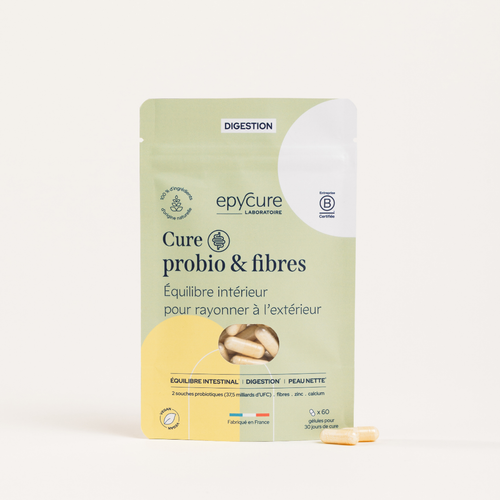
To nourish a healthy microbiome: prebiotic fiber (leeks, garlic, onions, asparagus, green bananas), fermented foods (yogurt, kefir, sauerkraut, kimchi), and high-quality probiotics.
Lifestyle and inflammation
Diet is not the only lever. These lifestyle factors also have a measurable impact on inflammation:
- Sleep: poor sleep quality increases inflammatory markers (IL-6, CRP)
- Regular, moderate physical exercise: it has a well-documented anti-inflammatory effect, unlike overtraining
- Stress management: chronic cortisol activates inflammatory pathways - meditation, yoga, heart rate coherence
- Quitting smoking: tobacco is one of the most powerful activators of systemic inflammation
Nutritional support: the most studied compounds
- Omega-3s (EPA/DHA): directly reduce pro-inflammatory cytokines
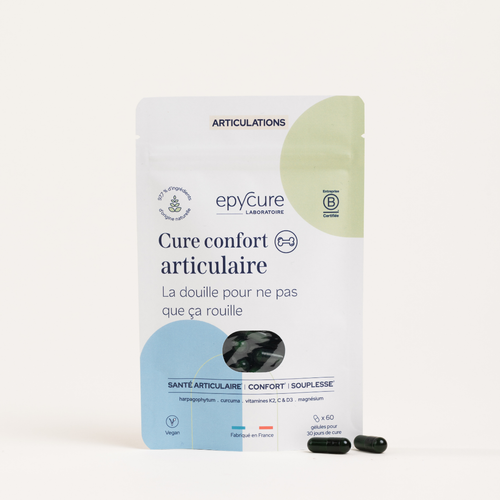
- Curcumin: inhibits NF-κB and reduces inflammatory markers in several clinical trials
- Vitamin D: modulates immune system activity and reduces inflammation
- Probiotics: rebalance the microbiome and reduce intestinal inflammation
- Magnesium: helps reduce oxidative stress and inflammatory markers
FAQ - Anti-inflammatory diet
Does the anti-inflammatory diet help with weight loss?
Indirectly, yes: by reducing obesity-related inflammation, stabilizing blood sugar, and improving insulin sensitivity. But it is not a low-calorie diet - its primary goal is health, not weight loss.
How long before feeling the effects?
Studies show improvements in inflammatory markers (CRP, IL-6) within 4 to 12 weeks with a consistent diet. Subjective benefits (energy, digestion, pain) may be felt sooner.
Can an anti-inflammatory diet be combined with dietary supplements?
Yes, and it is often recommended: certain nutrients such as omega-3s, vitamin D, or probiotics are difficult to obtain in sufficient quantities through diet alone.