Taking care of your body starts above all with taking care of its interior, and more specifically by pampering your microbiome. The gut flora is made up of several billion bacteria, including probiotics, whose benefits for various issues such as digestive disorders and the immune system are well established. In recent years, the range of probiotic supplements has exploded, but we often forget that they can also be found directly on our plates!
What is a probiotic?
Probiotics are the "good bacteria" in our intestines that help maintain the balance of our different flora (intestinal, oral, skin and vaginal) and combat any potential overgrowth of bad bacteria.
What are the benefits of probiotics?
Due to its fragile nature, an imbalanced flora can be explained by several factors: stress, chronic illnesses, taking antibiotics or an unhealthy lifestyle… Ensuring that you maintain a balanced microbiome is therefore essential for taking care of your health. Probiotics are particularly useful for strengthening your gut flora, especially in cases of transit disorders, a weakened immune system, or skin conditions such as atopic dermatitis or rosacea.
So that probiotics hold no more secrets for you, we invite you to read the article: What are the differences between probiotics, prebiotics, postbiotics and synbiotics?
Fermented foods, naturally rich in probiotics
What is lactic fermentation?
Lactic fermentation (or lactic acid fermentation) is a food preservation method that has been used for several centuries. It involves soaking foods in brine or vinegar, all without oxygen. In the absence of air, lactic acid bacteria proliferate by feeding on the sugars naturally present in foods (or added sugars) and transforming them into lactic acid. This lactic acid helps destroy harmful bacteria, known as pathogens, while allowing good bacteria to continue proliferating until they reach a balance - this is when fermentation stops. Particularly useful for preserving foods over the long term, from several months to several years, the presence of good bacteria makes these foods particularly beneficial for the health of our microbiome.
💡 Brine is a food preservation method that uses an aqueous salt solution to dehydrate food. It is often used to preserve certain fish and cheeses.
8 fermented foods for a balanced gut flora
Traditionally consumed in Asian countries, fermented foods are now popular worldwide as a natural way to take care of your health, thanks to their natural richness in probiotics. Here is a non-exhaustive list of foods to prioritize for a healthy gut flora:
-
Yogurts
Lacto-fermented foods are the first processed products consumed by humans. Their production relies on the addition of lactic acid bacteria. However, pasteurization is mandatory, which can affect the initial probiotic content. It is therefore important to choose yogurts such as skyr or Greek yogurt, which are more concentrated in skimmed milk and therefore more likely to contain higher concentrations of probiotics.
-
Pickled vegetables
Pickled vegetables are marinated vegetables (gherkins, olives, carrots, red onions, radishes, etc.) in vinegar and sugar, with or without herbs or spices. Thanks to lactic fermentation, lactic microorganisms proliferate, making pickles beneficial for facilitating digestion, especially when consumed at the beginning of a meal.
-
Kimchi
A traditional Korean dish, kimchi is made from lacto-fermented vegetables such as napa cabbage with garlic, ginger or chili peppers, giving it a slightly spicy flavor. In addition to being rich in lactic acid cultures, it has antioxidant and anti-inflammatory properties, which are essential for taking care of your health.
-
Sauerkraut
Sauerkraut, like kimchi, is a fermented cabbage recipe that is widely enjoyed in France, particularly in Alsace. It is made through lactic fermentation in brine, and its consumption is particularly beneficial due to its high content of vitamins C and B6 and minerals such as iron and magnesium.
-
Kombucha
This sour fermented tea, traditionally consumed in China, is becoming increasingly popular in France, both for its taste and its health benefits, and is also emerging as a healthier alternative to traditional sodas. Kombucha is fermented from sweetened black tea infusion using yeasts and has demonstrated an effect on weight regulation as well as liver detoxification.
-
Kefir
This is a fermented drink made from kefir grains with milk or fruit. These grains provide kefir with various probiotic strains, creating a symbiosis. Kefir is naturally sparkling and rich in probiotics thanks to the fermentation process. Its consumption is associated with a wide range of benefits, including anti-inflammatory, antioxidant and antidiabetic effects.
-
Miso
Miso is mainly used as a base for broths in Japan, particularly in miso soup. It is distinctive in that it undergoes two very long fermentation processes (2 years) before the final product is obtained.
-
Tempeh
Tempeh, meanwhile, is produced by fermenting soybeans and is a functional, nutritious and sustainable source of protein. Studies have shown its effect on the digestive system by improving intestinal transit. It also acts as a growth stimulator for probiotics.
What about sourdough bread?
Sourdough bread is made using a bread-making method based on the fermentation of lactic acid bacteria and yeasts. It differs from chemical leavening agents because it contains many more lactic acid bacteria, while also reducing the post-meal blood sugar spike and being easier to digest, particularly for people who are gluten-intolerant, because it changes the structure of the starch. However, its probiotic content is debatable because the heat from baking destroys a large proportion of the live bacteria.
Although the effects of fermented foods are beneficial for the microbiome, it is still important to note that some people may experience temporary side effects such as bloating or gas. Particular care is nevertheless essential when consuming these products because, in the food industry, products such as pickles or sauerkraut are prepared with vinegar, sugar and salt, which can cause intestinal pain.
How can you consume more of them every day?
Nothing could be easier when it comes to incorporating fermented foods into your meals: you can add a small portion of fermented vegetables (pickles, sauerkraut, kimchi) as a starter in a salad or in a main dish, or add yogurt (preferably skyr or Greek yogurt) to your sauces or have it for dessert. You can also drink a glass of kombucha or kefir with every meal to take care of your gut flora over the long term!
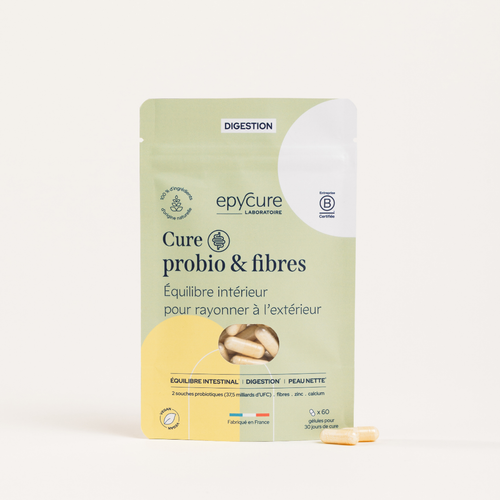
Alternatively, try our Probiotic & Fiber Course, which contains both probiotics and prebiotics to pamper your intestines, with just 2 capsules per day.
Take care of your flora, and it will thank you!
Fermented foods to consume in moderation?
Although many fermented foods offer numerous benefits for our microbiome, there are a few exceptions! In particular, alcohol, such as beer, and dry-cured sausage may provide some beneficial nutritional value, but more generally pose a health risk due to their fat or ethanol content.
Alcohol and processed products
Alcoholic fermentation is a method of transforming sugars into ethanol that enables the emergence of beneficial microorganisms, while also altering the flavors, consistency and color of beverages.
Beer is one of the most widely consumed alcoholic beverages in the world. Its composition may provide interesting antioxidant and phenolic compounds, fiber and minerals, thereby helping improve the gut microbiome. Unfortunately, this positive effect is offset by its alcohol content - no surprise there! It nevertheless remains a good candidate as a functional food, meaning one with "health" benefits, in the case of non-alcoholic beers.
Dry-cured sausage is no exception! Initially fermented to improve its preservation properties, fat nevertheless remains the product's main component, making it more harmful than beneficial for the gut microbiome.