Unexplained fatigue, nighttime cramps, irritability, difficulty sleeping… These everyday signals often have a common cause that is underestimated: magnesium deficiency. In France, more than 70% of the population does not reach the recommended intake. Yet this mineral is involved in more than 300 enzymatic reactions in the body.
Here is everything you need to know to recognize the signs of a deficiency, understand its causes, and find the most suitable solutions.
Why is magnesium so important?
Magnesium is an essential mineral - the body cannot synthesize it, so it must be supplied through the diet or supplementation. It is involved in fundamental functions:
- Energy production: it contributes to the synthesis of ATP, the energy molecule in our cells
- Nervous system: it contributes to the normal functioning of the nervous system and the reduction of fatigue
- Muscles: it supports normal muscle function and helps reduce cramps
- Bones and teeth: it contributes to the maintenance of normal bones
- Psychological balance: it contributes to normal psychological functions
- Sleep: it promotes relaxation and supports more peaceful sleep onset
The recommended daily intake is between 300 and 375 mg per day for an adult, according to EFSA.
What are the symptoms of magnesium deficiency?
The symptoms of magnesium deficiency vary and are often confused with other health problems - which explains why it frequently goes undiagnosed.
The most common physical signs
Muscle cramps and spasms
This is the most characteristic sign. Magnesium plays a key role in muscle contraction and relaxation. When levels are insufficient, muscles contract excessively - hence nighttime calf cramps or twitching eyelids.
Persistent fatigue
Unexplained fatigue, even after a good night's sleep, may be linked to a magnesium deficiency. This mineral is essential for cellular energy production: without it, cells function at a slower pace.
Sleep disorders
Difficulty falling asleep, frequent nighttime awakenings, unrefreshing sleep… Magnesium promotes the production of GABA, a neurotransmitter that prepares the nervous system for rest.
Headaches and migraines
Studies have highlighted a link between low magnesium levels and an increased frequency of migraines. This mineral plays a role in regulating cerebral blood flow.
Heart palpitations
Magnesium helps regulate heart rhythm. A deficiency may contribute to palpitations or irregular heartbeats, particularly at rest.
Psychological signs
Irritability and nervousness
Magnesium modulates the stress response by regulating the hypothalamic-pituitary-adrenal axis. A deficiency heightens sensitivity to stressors and promotes irritability.
Increased anxiety
Magnesium acts as a natural regulator of the nervous system. Insufficient levels are frequently associated with increased nervousness and anxiety.
Difficulty concentrating
Brain fog, memory lapses, difficulty concentrating — these symptoms may be a sign of magnesium deficiency.
Low mood
Magnesium is involved in the synthesis of serotonin, the neurotransmitter associated with well-being. An insufficient intake may contribute to temporary low moods.
Musculoskeletal signs
Muscle contractures and tension
Tight muscles in the neck, back, or shoulders, even without any particular exertion — this is a common sign of magnesium deficiency.
Restless legs syndrome
This feeling of an irresistible need to move your legs at night is often associated with a lack of magnesium (and iron).
Who is particularly affected?
Although anyone can be deficient in magnesium, some people are more at risk:
- People under chronic stress: cortisol causes urinary magnesium loss — the more stressed you are, the more you lose
- Athletes: sweating and physical exertion increase requirements and losses
- Pregnant and breastfeeding women: requirements increase during these periods
- Older people: intestinal absorption decreases and renal elimination increases with age
- People with diabetes: hyperglycemia promotes urinary magnesium excretion
- People who regularly consume alcohol: alcohol increases renal excretion
Causes of magnesium deficiency
The main cause is dietary: our modern diet, which is too highly processed and low in unprocessed plant foods, often does not meet our needs. Several factors that increase losses are added to this:
- Excessive consumption of refined sugars and alcohol
- Chronic stress (cortisol eliminates magnesium through the urine)
- Certain medications: diuretics, proton pump inhibitors, immunosuppressants
- Depletion of agricultural soils (plants today contain less magnesium than they did 50 years ago)
- Prolonged cooking of food (magnesium passes into the cooking water)
Foods richest in magnesium
To meet your daily needs, prioritize these sources:
- Nuts and seeds: pumpkin seeds (535 mg/100g), Brazil nuts, almonds, cashews
- Legumes: black beans, lentils, chickpeas
- Whole grains: wheat bran, quinoa, brown rice, oats
- Leafy green vegetables: spinach, Swiss chard, broccoli (chlorophyll contains magnesium)
- Dark chocolate: 70% and above (approximately 230 mg/100g)
- Mineral waters rich in magnesium: Hépar (119 mg/L), Rozana (160 mg/L), Badoit (77 mg/L)
In practice, meeting the recommended 375 mg each day through diet alone remains difficult for most people - especially during periods of stress, intense exercise, or fatigue.
Magnesium supplementation: when and how?
If your diet is not enough to meet your needs, a course of magnesium supplements may be useful - particularly in cases of chronic fatigue, stress, sleep disorders, or recurring cramps.
Not all forms of magnesium are equal
Bioavailability and digestive tolerance vary depending on the form:
- Magnesium bisglycinate: excellent bioavailability, very well tolerated - recommended form in cases of digestive sensitivity
- Magnesium malate: good absorption, particularly suitable in cases of muscle fatigue
- Magnesium citrate: good bioavailability, but may have a laxative effect at high doses
- Magnesium oxide: very low absorption (~4%), best avoided
When should you take magnesium?
Ideally in the evening, to benefit from its relaxing effect and promote better sleep. Some people prefer to split the dose (morning and evening) to optimize absorption and limit the potential laxative effect.
Epycure solutions to meet your magnesium needs
At Epycure, several formulas contain highly bioavailable forms of magnesium, combined with other active ingredients in synergy for enhanced effects:
Cortisol balance course - specifically formulated for people experiencing chronic stress who lose magnesium through their urine. It combines magnesium bisglycinate, ashwagandha KSM-66® and L-tryptophan to help reduce fatigue and maintain normal psychological balance.
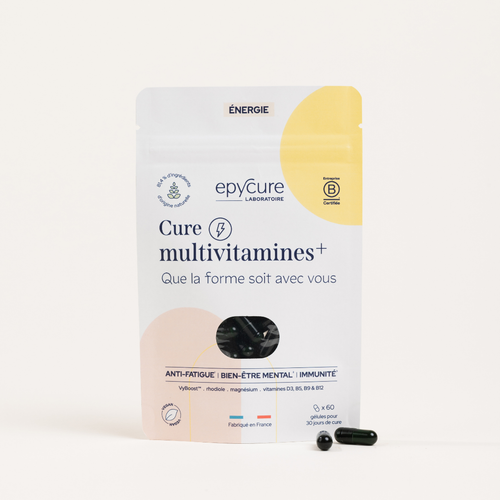
Multivitamin course+ - a complete formula combining essential vitamins, minerals including magnesium, and plant-based ingredients to support energy and vitality every day. Ideal for prevention or as a supplement to a limited diet.
FAQ - Magnesium deficiency
How can you tell if you are truly deficient in magnesium?
A standard blood test (magnesemia) measures blood magnesium, but it is not very reliable because only 1% of the body's total magnesium is found in the blood. Red blood cell magnesium testing is more representative. In practice, if you have several of the symptoms described, a 4- to 8-week trial may provide useful insight.
Can you take too much?
In the event of an overdose, magnesium has a laxative effect - this indicates that the dose is too high or the form is unsuitable. In healthy people, the risk of toxicity remains low because the kidneys eliminate the excess. The tolerable dose set by the EFSA is 250 mg/day from supplements for adults.
Does magnesium really help with stress?
Magnesium contributes to normal psychological functions and the reduction of fatigue - these are claims recognized by the EFSA. Combined with adaptogenic ingredients such as ashwagandha, the effects on stress management are often enhanced.
How long does it take to see the effects of a magnesium course?
The effects on sleep and cramps may be felt as early as 2 to 3 weeks. For effects on stress, mood and energy, allow 4 to 8 weeks of regular use.