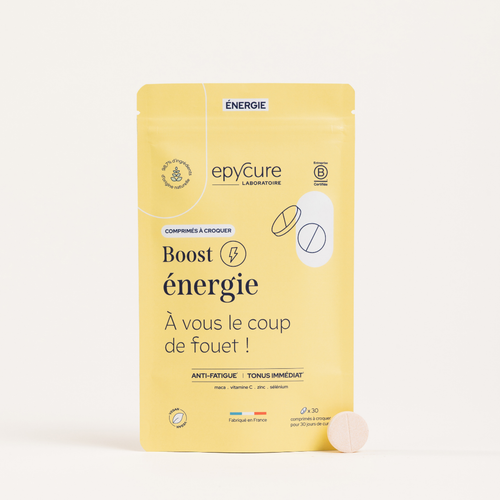
What is a dietary supplement?
According to the definition provided by Directive 2002/46/EC of the European Parliament:
“Dietary supplements are foodstuffs intended to supplement the normal diet and which constitute a concentrated source of nutrients or other substances with a nutritional or physiological effect, alone or in combination, marketed in dose form.”
They are sold without a prescription. They are not medicines, since they remain at physiological rather than therapeutic dosages.
It is recommended to consume them preventively, to maintain normal health and reduce disease risk factors.
To achieve genuine effectiveness, they must be taken under optimal conditions. Indeed, they are intended to act preventively to support health but do not replace a varied, balanced diet and a healthy lifestyle.
Dietary supplements available on the market may consist of:
- Micronutrients, namely vitamins, minerals and trace elements, essential fatty acids (omega-3 or omega-6), proteins and amino acids
- Plants, including all plants as well as algae and fungi
- Other substances with nutritional or physiological value, such as probiotics and enzymes
It is possible to find several of these substances in the same supplement. Mixtures of plants, vitamins and minerals … can act synergistically and have highly beneficial effects on our health and well-being. They provide genuine support.
Why take a dietary supplement?
Modern diets do not always provide us with sufficient quantities of the vitamins and micronutrients our bodies need. In France, various surveys have revealed micronutrient deficiencies among the population, with intakes below two-thirds of the recommended nutritional intakes for vitamins C, D and E, as well as magnesium and copper. These deficiencies are exacerbated by a sedentary lifestyle, mental health problems, aging, pollution, etc. If they persist over time, they eventually disrupt the body's functioning and expose us to risks: sleep problems, headaches, stress, irritability, digestive disorders, lack of concentration…
Thus, supplementation helps restore dietary balance. It also helps support the body on a daily basis and can help us achieve various goals, whether related to beauty, well-being, athletic performance or health.
Some people may automatically turn to medicines. Food supplements can reduce the use of medicines and shift healthcare from a curative to a preventive approach. Indeed, in some non-pathological situations, a supplement may be sufficient and should therefore be recommended before medication. The clearest example is a supplement intended for sleep disorders, which can help limit the use of sleeping pills or other drug treatments.
Food supplements are, of course, subject to inspections by the DGCCRF (Directorate General for Competition Policy, Consumer Affairs and Fraud Control), which may refuse their sale.
Which food supplement should you choose?
There are so many brands, indications, dosage forms, formulations, origins, ... that choosing food supplements is not easy. Here is some information that we think is important to consider and that will surely help you make your choice.
Objectives
The first thing to consider when you want to buy a food supplement is your objective. Indeed, today, many people want to take them to achieve a specific goal. This may involve better health, getting back into shape, preventing an illness, optimizing physical performance, and much more.
It will also depend on the signals your body sends you, as any unusual change may be a sign of a deficiency or a need.
Immunity
Microbes, viruses, and fungi constantly try to cross the body's natural barriers in order to multiply there. Fortunately, the body has an internal protection system, the immune system, capable of fighting parasites. Sometimes overworked, it needs a little support. Micronutrition is an effective way to strengthen immunity, especially during seasonal changes, a phenomenon that destabilizes our immune system.
Here are some interesting active ingredients:
- Vitamin D is essential for the activation of lymphocytes, cells that play a major role in the immune system. It is synthesized in the skin after sun exposure and is therefore lacking in winter.
- Iron contributes to the normal functioning of the immune system.
- Vitamin C combined with zinc can also act as an immune system booster.
- Propolis is considered an effective natural alternative for fighting infections.
- Finally, echinacea and spirulina help support the immune system and increase the body's resistance.
Fatigue
Our daily lives are regularly punctuated by periods of physical or mental fatigue that affect our quality of life. They can be triggered by our lifestyle (sleep, physical activity, diet…), psychological conditions (anxiety, stress, …), or an illness, and lead to a lack of energy and vitality.
Alongside good sleep habits and a balanced diet, there are several ingredients known to boost energy and vitality.
- Plants such as bacopa, guarana, acerola, spirulina, eleuthero, and ginseng are known for their energizing effects.
- B vitamins and vitamin C help reduce fatigue.
- Finally, iron and magnesium also help reduce fatigue.
Slimming
Weight management is directly linked to the balance of our energy balance, that is, the balance between our daily expenditure and intake. Certain behaviors or external factors, such as a lack of physical activity, malnutrition, hormonal activity, stress, fatigue, heredity, or taking medication, can destabilize this energy balance and lead to weight gain.
Alongside a healthy lifestyle, it may be beneficial to use plants to capture fats, detoxify, and drain the body.
- Prickly pear cactus and guarana are effective for weight management. They help capture dietary fats, reduce carbohydrate absorption, and therefore reduce the calories absorbed.
- You can also use milk thistle or turmeric, which are rich in antioxidants. They help support the normal functioning of the liver, an organ involved in weight control, and thus facilitate the breakdown of stored fat.
- Finally, there are ingredients known for their draining action. These include birch, ash, green tea, and cherry stems. They have a diuretic effect, helping the body eliminate accumulated waste more easily.
Joint
Joint problems affect a very large number of French people and can cause discomfort in everyday life. They are often caused by aging, repetitive movements, intense exertion, being overweight, or poor posture.
Alongside a sensible level of physical activity, trace elements, vitamins, and plants can help relieve and protect our joints:
- Vitamin C is involved in the formation of collagen, a protein found in bone and cartilage tissue and tendons. It therefore plays an important role in cartilage.
- Manganese is a trace element that plays an essential role in the joints. It contributes to the normal formation of tissues and the maintenance of normal bones.
- Finally, devil's claw, horsetail and turmeric help maintain joint flexibility and mobility.
Stress
Certain events in everyday life can cause anxiety or stress. These destabilizing emotions can become chronic if they are not controlled. Chronic stress should not be taken lightly; it can have physiological consequences for our body.
Certain active ingredients provide benefits in managing stress and emotions.
- Lemon balm promotes relaxation as well as physical and mental well-being. It is often recommended in cases of overwork.
- Rhodiola helps the body adapt to emotional stress. This plant is recognized for its positive effects on mood, stress, anxiety, etc.
- Omega-3s may help us better manage stressful situations. In fact, they promote the secretion of endocannabinoids, brain lipids that improve resistance to stress.
- Finally, magnesium is known to help preserve nervous system balance. It reduces the secretion of hormones and messengers responsible for stress.
Digestion
Various factors can disrupt our digestive system. Antibiotics, an unhealthy lifestyle or even stress can upset our intestinal flora. This imbalance leads to an abnormal proliferation of harmful bacteria and is often the cause of digestive disorders such as bloating, gas and diarrhea.
It is possible to restore a healthy balance with dietary supplements.
- Probiotics taken regularly can have a beneficial effect on health. They are bacteria or yeasts that can help the digestive system by strengthening the action of microorganisms in the intestinal flora.
- Calcium contributes to the normal functioning of certain digestive enzymes. It is recognized as an activator of many enzymes, particularly pancreatic enzymes.
- Vitamin B2 helps maintain the integrity of mucous membranes, including the digestive mucous membranes.
- Finally, there are plants that benefit the digestive system, such as fennel. It combats digestive disorders thanks to its antimicrobial and antioxidant properties.
Once you have clearly defined your objective, you need to be able to compare the supplements available on the market. It is advisable to examine product labels carefully, as they generally provide the dosage, precautions for use, product composition, concentration, origin, naturalness and dosage form.
Composition
In dietary supplements, an active ingredient is a substance chosen for its beneficial health properties. Its concentration is essential for substantiating the product's effectiveness.
The form of the active ingredient used is also very important, as is the part of the plant. It enables the supplement to be optimally absorbed and well tolerated. Minerals, for example, must be provided in the form of « salts ». Depending on the salts used, the mineral content and absorption will differ. Magnesium bisglycinate, for example, is better absorbed and tolerated than magnesium oxide, even though the latter has a higher magnesium content.
Dosage form
The dosage form is the form in which the dietary supplement is presented (capsules, tablets, pills, syrups, powders, gummies, ...). It is generally adapted to the raw materials used to ensure better concentration, protection, and absorption of the active ingredients. Your choice of dietary supplement may of course depend on your preference regarding its dosage form.
Origin
Pay close attention to the origin of the products you choose. Products from abroad are not subject to the same quality controls as those in France and may sometimes even contain active ingredients prohibited under French law.
As for the product's naturalness, you are probably wondering whether natural products should be preferred.
Indeed, dietary supplements are not all natural. They are natural when the term « natural origin » appears on the packaging, which guarantees the natural origin of the active ingredients used. However, it is important to understand that they cannot all be of natural origin, because some active ingredients are more effective and stable when synthesized, as is the case with certain vitamins.
Precautions
A supplement is a concentrated source of plants or nutrients containing active compounds, and it should be used appropriately. Most of them come with usage precautions that are important to follow. The dosage, meaning the recommended amount and frequency for taking a medicine, must be strictly observed to avoid the risk of overdose. Of course, you should be careful when taking medical treatment alongside supplementation. The supplement's active substances could interact with the medicine and, for example, limit its absorption. If you are pregnant or breastfeeding, if you suffer from a particular condition, or if you have any doubts about the composition of a dietary supplement, ask your doctor or pharmacist.
You are now able to choose your dietary supplements!
Of course, you need to be patient before feeling the expected effects. Regardless of how you take them, they work over the long term, after several weeks of use.