You run, do yoga, strength training, cycling… And yet, you often feel like you lack energy, recover slowly, or experience soreness that lingers. The good news: targeted supplementation can really make a difference - provided you choose the right active ingredients.
This guide is for women who stay active and want to naturally optimize their athletic well-being, without getting lost among the shelves of the pharmacy.
Why women athletes have specific needs
Regular physical activity increases energy expenditure, but also micronutrient losses - magnesium, iron, zinc, B vitamins - through sweating and intense muscular effort. As a result, even with a balanced diet, it can be difficult to meet all your needs.
For women, the hormonal fluctuations of the menstrual cycle also come into play, influencing endurance, strength, and recovery depending on the phase. Appropriate supplementation takes this reality into account.
Magnesium: the anti-cramp and anti-fatigue mineral
It is often the first deficiency among women athletes. Magnesium plays a key role in muscle contraction, cellular energy production (ATP), and regulating the oxidative stress generated by exercise.
Magnesium helps reduce fatigue, supports normal muscle function, and contributes to normal cognitive performance. In cases of intense physical activity, needs may exceed 400 mg per day.
Choose a bioavailable form: magnesium bisglycinate or malate, rather than oxide or chloride, which are less well absorbed and may irritate the digestive system.
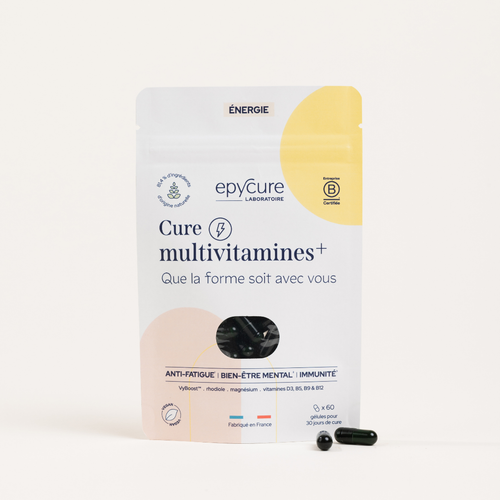
B vitamins: energy at the source
Vitamins B1, B2, B3, B5, B6, and B12 all contribute to normal energy metabolism. They convert carbohydrates, fats, and proteins into energy that the muscles can use.
B12 is particularly important for women who limit their meat consumption or follow a vegetarian or vegan diet. A deficiency may manifest as persistent fatigue, difficulty concentrating, and slower recovery.
Vitamin D: muscles and bones
Vitamin D is not limited to bone health. It also contributes to normal muscle function and helps regulate the immune system - a crucial point for women athletes who train frequently and may become more vulnerable to infections.
In France, more than 80% of the population has insufficient vitamin D levels, particularly in autumn and winter. Maintenance supplementation (1000 to 2000 IU/day) is often recommended.
Omega-3s: recovery and inflammation
Physical effort naturally generates muscle inflammation. This is necessary for progress - but in excess, it slows recovery and contributes to persistent pain.
Omega-3 fatty acids (EPA and DHA) contribute to the maintenance of normal heart function and help modulate natural inflammatory processes. For women athletes, a dose of 1 to 2 g of EPA+DHA per day is generally recommended.
Vitamin C and antioxidants: protecting cells
Intense exercise increases the production of free radicals in the body. Vitamin C helps protect cells against oxidative stress and contributes to collagen synthesis - useful for tendon and cartilage health.
Women who participate in endurance or impact sports (running, CrossFit, team sports) have a particular interest in ensuring an adequate intake of vitamin C and antioxidants.
Proteins and amino acids: for muscle building
Muscle is built during recovery, not during exercise. To support protein synthesis, protein intake must be sufficient - around 1.4 to 2 g per kg of body weight per day for a woman athlete.
If your diet does not meet these needs, whey or plant-based protein supplements (pea, rice) can help you reach the necessary intake, particularly after training (the 30- to 60-minute anabolic window).
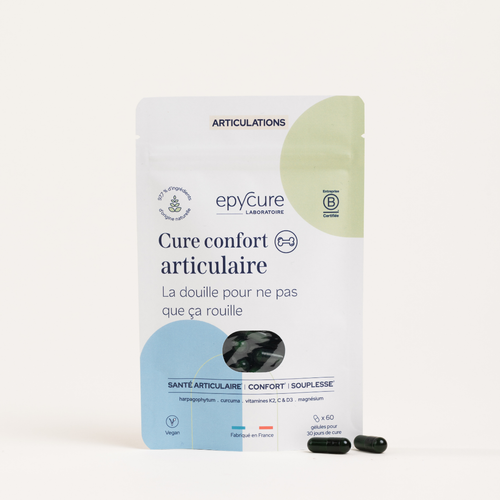
Joints and sport: consider collagen and glucosamine
The knees, hips, and shoulders: joints withstand significant strain, especially in impact sports or sports involving heavy loads. Type II collagen, combined with glucosamine and chondroitin, helps maintain cartilage integrity.
These active ingredients contribute to maintaining normal joint function and may be particularly useful for women athletes who have been practicing for several years or who experience recurring joint discomfort.
Iron and iodine: don't forget them
Iron is essential for transporting oxygen to the muscles. Iron deficiency - common among women of childbearing age who engage in intense physical activity - results in marked fatigue, becoming short of breath more quickly, and declining performance.
Before supplementing with iron, have your ferritin levels checked with a blood test. Excess iron is just as problematic as a deficiency.
How to build your sports supplement routine
A good routine starts with the basics: magnesium, B vitamins, and vitamin D. Then, depending on your activities and how you feel, you can add omega-3s, vitamin C, collagen, or protein.
A few principles to remember:
- Take magnesium in the evening; it also promotes muscle relaxation and sleep
- B vitamins and vitamin D are best taken in the morning with a meal
- Take protein after training, within the following 30 to 60 minutes
- Take supplements for 2 to 3 months before evaluating their long-term effects
And above all: supplementation does not replace a varied and balanced diet. It complements your diet; it does not substitute for it.
What to remember
Women athletes have increased nutritional needs that diet alone cannot always meet. Magnesium, vitamins B and D, omega-3s, vitamin C, and protein are the foundations of effective sports supplementation. Joints also deserve special attention, especially after years of training.
The key is to choose well-dosed supplements containing bioavailable active ingredients and transparent formulas. And incorporate them over time, not just before a competition.
📚 Read also