Which vitamin should you take when you are tired?
Vitamin C, or ascorbic acid, is known for its immune-boosting and anti-fatigue benefits, and plays an important role, especially as winter approaches, when consumption is significantly higher due to its invigorating effect on the body. It is also an excellent antioxidant that fights the free radicals responsible for cellular aging, contributes to the synthesis of collagen needed for tissue repair (skin, nails, hair), and increases the absorption of iron and calcium found in food. Vitamin C also prevents and reduces the severity of allergies, speeds up healing/recovery following an operation or other procedure, and also contributes to hormone synthesis.
How can you treat general fatigue?
In addition to all its other properties, vitamin C is a water-soluble vitamin that is not synthesized by the body and must therefore be supplied through a varied diet. Discover its best sources, to fill up on energy and enjoy a dose of well-being.
Guava
It contains 180 mg of vitamin C per 100 g, twice the recommended daily intake. It is also a lymphatic and digestive stimulant and contains provitamin A, B vitamins, and minerals such as potassium.
Kiwis
They provide 100 mg of vitamin C per 100 g. They also stimulate intestinal transit in adults and at any age (they are one of the most effective home remedies for constipation), and their potassium content makes them highly diuretic.
Citrus fruits
With 55 mg of vitamin C per 100 g in lemons and oranges and 35 mg in grapefruit, citrus fruits rank well behind guava, currants, and kiwis, but nevertheless remain a source of vitamin C that will provide vitality and is more "local" and accessible in Europe.
Cruciferous vegetables
They contain an average of 110 mg of vitamin C per 100 g and also have other immune-supporting properties, thanks to their richness in fiber, minerals such as calcium and iron, and vitamin A. They can be eaten in salads, stir-fried, steamed, or baked.
Red peppers
They provide 140 mg of vitamin C per 100 g. Peppers in general are rich in this vitamin, but red peppers contain more than green peppers (80 mg/100 g). Not only do they contain vitamin C, they also provide vitamins A, E, B6, and folic acid. Eating them regularly therefore improves your eyesight, your digestion, and your cardiovascular health, promotes the elimination of toxins, and strengthens your natural defenses.
Parsley
It provides 166 mg of vitamin C per 100 g. With 25 g of fresh parsley, you therefore cover 70% of the daily vitamin C requirements recommended by your doctor. Add it to your salad or green smoothie, or use it as the base for a light sauce to accompany meat or fish. The possibilities are endless.
Good to know
You can also consume other sources of vitamins to regain some energy. Magnesium, for example, helps maintain nervous system balance and promotes muscle relaxation. It is recommended when fatigue is accompanied by nervousness, sleep disorders, or cramps. You can also find it in standard multivitamins. It is present in small amounts and/or in the form of salts that are poorly absorbed by the body. Combine it with B vitamins for better results!
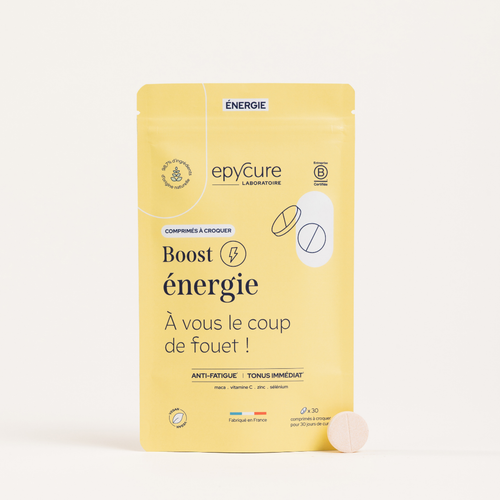
For people with vitamin C deficiencies, it is possible to opt for supplementation and choose a course of dietary supplements containing it, such as some of our courses!
Pregnant women should also take note: vitamin C will provide energy and even strengthen the placenta. It is an essential vitamin during pregnancy!
📚 Also worth reading
✨ Our Epycure solutions