Between temporary disorders (diarrhea, constipation…), digestive diseases (Crohn’s disease, ulcerative colitis), and metabolic syndrome (irritable bowel syndrome), approximately 50% of French people are affected by these digestive disorders.
Irritable bowel syndrome (IBS), also known as irritable colon syndrome, has become increasingly recognized over the past 10 years. Although its diagnosis remains complicated and its treatment vague, there are a few ways to relieve it naturally.
Irritable bowel syndrome: what is it?
It is associated with impaired intestinal function: abdominal pain, digestive discomfort, and intestinal transit disorders (constipation, diarrhea…). Affecting 3 women for every 1 man (approximately 5% of the French population) but with no apparent serious consequences, it nevertheless affects the quality of life of those affected because of its chronic nature and pain.
Symptoms and diagnosis
They range from a simple stomachache to bloating and intestinal transit disorders such as constipation or diarrhea.
The diagnosis is not that simple, as there is no specific test to identify IBS. Because it is nonspecific, diagnosis is made by ruling out recognized diseases with the same symptoms, a slow and demanding process, and in the vast majority of cases between the ages of 30 and 40.
No abnormality in either a blood test or an X-ray; this is then referred to as a “functional” disorder. The diagnosis is made when these 3 signs are present:
- Abdominal pain and intestinal transit disorders
- Symptoms dating back more than 6 months
- At least 1 symptom per week during the last 3 months
The diagnosis of IBS is then based on the Rome IV criteria, according to which these three signs must be associated with at least 2 of the following criteria:
- Related to bowel movements
- Associated with a change in stool frequency
- Associated with a change in the shape (appearance) of the stool
Causes of irritable bowel syndrome
There are multiple causes, primarily related to an oversensitive intestine in response to external or sometimes internal factors, fatigue, stress, psychological factors such as anxiety and distress, the occurrence of difficult events, or gastroenteritis. An unbalanced diet does not promote its onset but does amplify the symptoms.
How can irritable bowel syndrome be relieved?
Unfortunately, there are no medications that specifically treat and cure irritable bowel syndrome; only antispasmodic or pain-relieving medications may be prescribed in cases of severe symptoms. The preferred treatment in such cases is a lifestyle and dietary adjustment (diet & physical activity) to improve quality of life as much as possible.
What should you eat to relieve irritable bowel syndrome?
Diet plays a role in relieving IBS. Certain foods and practices contribute to digestive discomfort. The goal is to reduce them to improve patients' quality of life.
- Limit FODMAPs
These are small sugar molecules found in many foods today that provide the body with energy. They include fermentable carbohydrates, oligosaccharides, disaccharides, monosaccharides, and polyols.
Their problem? They cause absorption difficulties when foods are ingested, resulting in the production of gas and bloating due to fermentation. Therefore, choose low-FODMAP foods to limit these symptoms.
|
High-FODMAP foods |
Low-FODMAP foods |
|
Vegetables Artichokes, garlic, onions, tomatoes, mushrooms, leek… Fruit Apple, cherries, mango, nectarine, pear, peach, plum… Dairy products Cow's milk, yogurt, ice cream… Cereals Cookies, wheat, rye, and barley breads, breakfast cereals… Sources of protein Marinated meats, legumes, marinated seafood… |
Vegetables Eggplant, green beans, bell pepper, carrot, cucumber, lettuce… Fruit Grapes, kiwis, mandarins, pineapple, strawberries… Dairy products Almond milk, brie, camembert, feta… Cereals Rice, sourdough bread, spelt bread, corn and quinoa flakes… Sources of protein Eggs, firm tofu, cooked meats, seafood, tempeh… |
Avoid all sources of “bad fats”, carbonated drinks, and alcoholic beverages, which can cause discomfort (gas, bloating) and digestive disorders.
- Eat slowly - 3 meals a day
Taking your time to eat and eating at regular times facilitates digestion by allowing the body time to assimilate the ingredients. Snacking leads to incomplete digestion and meals being eaten too close together, which unsettles the stomach, preventing it from functioning properly.
- Hydration
Hydration is a key factor for good digestion. It is recommended to consume 2L per day, through still water and herbal teas or infusions, for their draining effect, which helps eliminate toxins and thus facilitate digestion.
4 practices to adopt to relieve symptoms:
-
Rebalancing your intestinal flora
Balancing your intestinal flora is essential for the proper functioning of your digestion. These are the probiotics and prebiotics which are responsible for this balance and regulate digestion. In cases of digestive disorders, consuming products rich in probiotics is strongly recommended, thereby reducing IBS symptoms.
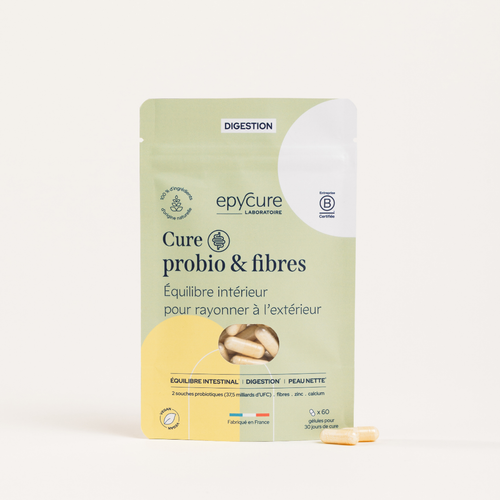
Moreover, taking probiotics and prebiotics in the form of dietary supplements is widespread. Our Probiotic & fiber cleanse provides the body with everything it needs to maintain intestinal balance, thereby promoting better digestion.
-
Practice abdominal self-massage
Often used for slimming purposes, this massage with gentle, circular movements, also known as self-massage, relieves digestive discomfort. These movements have a stimulating and draining effect on the body, helping to relieve gas caused by excessive fermentation in the body, which causes intestinal pain. It helps restore intestinal transit, thereby facilitating the elimination of stools and flatulence.
To perform your massage, place your hands on your stomach, on either side of your navel, horizontally, and inhale. As you exhale, gently press your stomach as if you were trying to bring your two hands together. Note that this exercise should not be done immediately after eating, but rather on an empty stomach in the morning or evening.
-
Use peppermint essential oil
Studies have shown that the use of peppermint essential oil, taken orally, is effective against pain and overall symptoms in people with irritable bowel syndrome.
-
Managing stress with heart coherence, meditation, or hypnosis
Stress is closely linked to the onset of IBS symptoms. It affects digestion in two ways: through hormones and intestinal motility. On the one hand, stress hormones are released by the brain and affect how the intestine functions. On the other hand, stress also changes intestinal movement by physically affecting contractions and therefore bowel movements.
Several methods have proven effective in managing the impact of stress on digestion:
-
Yoga - Heart coherence
Deep breathing can help manage stress. Studies have shown that yoga classes improve anxiety and quality of life in people with intestinal disorders; stress is reduced and the ability to manage symptoms is significantly improved.
-
Hypnosis
Hypnotherapy involves focused attention; it could reduce pain perception by 50% and play a role in the nervous system involved in irritable bowel syndrome.
Following a foundational course: Digestive comfort VS Probiotic & fibre course, which should you choose?
Often used as a preventive measure, the foundational course helps maintain the body's well-being in the face of IBS symptoms. As a first-line option, a probiotic course is prescribed by a doctor to restore the balance of the intestinal microbiome and prevent harmful effects, which can be supplemented by the Digestive comfort course, effective for reducing digestive discomfort and regulating bowel movements. This combination of courses then becomes a complete routine for treating IBS by relieving pain and influencing the balance of your microbiome.
Why choose if you can have both?
📚 Read also
✨ Our Epycure solutions