Who has never experienced a urinary tract infection or suffered from various urinary discomforts? Unfortunately, this is the painful reality that most women experience at least once in their lives, so we have compiled numerous natural tips here to take care of our urinary system and avoid these painful periods.
Of course, it is important to consult your doctor in the event of an episode to eliminate the infection as quickly as possible, but this can be combined with the advice below to limit the risk of recurrence and regain urinary comfort.
Habits to adopt
Hydration
This advice may seem very basic, yet lack of hydration remains a major cause of urinary discomfort, sensations of pulling, burning, and dryness. If this regularly applies to you, invest without further delay in a nice water bottle to take everywhere with you, to make sure you drink at least 1.5 L of still water (excluding hot drinks, fruit juices, and sodas) per day.
The link between the intestines and urinary tract
Our urinary tract and vulva are protected by their own microbiota, that is, a small army of good bacteria that create a barrier against intruders and protect the area's acidity. Nevertheless, this microbiota can sometimes be weakened, particularly after repeated courses of antibiotics, which is often the case with chronic urinary tract infections. It is therefore essential to take care of this microbiota, as well as the intestinal microbiota, since they work together and constipation is an aggravating factor for urinary tract infections.
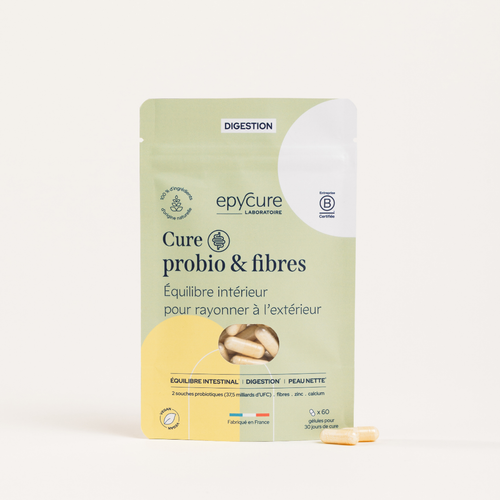
To do so, consult your doctor or natural health practitioner for advice on probiotic courses taken orally and vaginally, which it is important to repeat after each course of antibiotics. Epycure offers a probiotic course: the Probiotic & Fiber Course, composed of 4 probiotic strains, prebiotic, calcium, and zinc. C'it is a very helpful boost for restoring the balance of the microbiota and taking care of your health.
Your position on the toilet
Here we are touching on a delicate subject: the hygiene of toilets—not those at home, of course, but rather those in public places, on public transport, or at your workplace. You have very likely heard the advice since early childhood not to sit on the toilet seat for fear of catching every germ in the world. Nevertheless, studies have shown that sitting on the toilet seat does not actually transmit infections (particularly because it is your thighs, not your vulva, that touch the toilet), and, moreover, that this balancing position is harmful to the pelvic floor and prevents the bladder from emptying properly, which is a factor that promotes urinary tract infections.
It is therefore high time to change the way we think about this and, at the very least, to take a little toilet paper to wipe the seat clean before sitting down. Your pelvic floor and urinary tract will thank you!
Sexual intercourse
Another subject that is discussed too little in relation to urinary tract infections: sexual intercourse. It is important to remember to urinate after intercourse, and even to have a quick wash before and afterward for both partners, in order to eliminate any bacteria that may have come near the urinary tract during intercourse.
Natural aids
Cranberry juice
A staple of urinary health, cranberry is well known to women who suffer from frequent infections. However, be sure to choose pure cranberry juice, rather than its almost transparent, sugary cousin, which is more like a syrup than a beneficial plant.
This juice can be incorporated into your diet as a preventive measure if you are sensitive to urinary problems, for example diluted in your water bottle or as a glass of pure juice at snack time.
Herbal teas
As you have understood, it is essential to drink enough to reduce the risk of urinary discomfort, but you can also benefit from the properties of plants such as thyme, bearberry, hibiscus, or mallow, which you can mix in equal parts, using 30 g of dried plants per 1 L of water.
This hot drink can be part of your daily preventive routine, with one cup per day, or consumed in larger quantities during an episode.
The Urinary Comfort Course
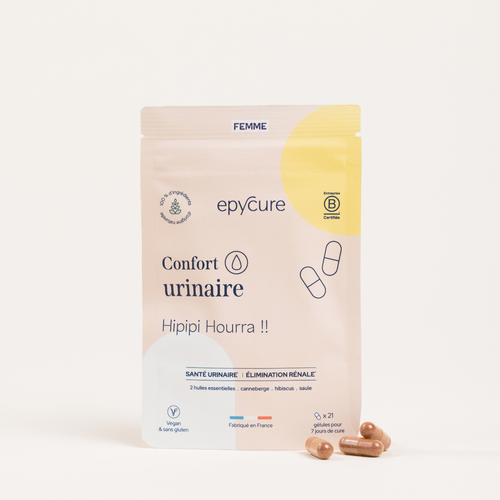
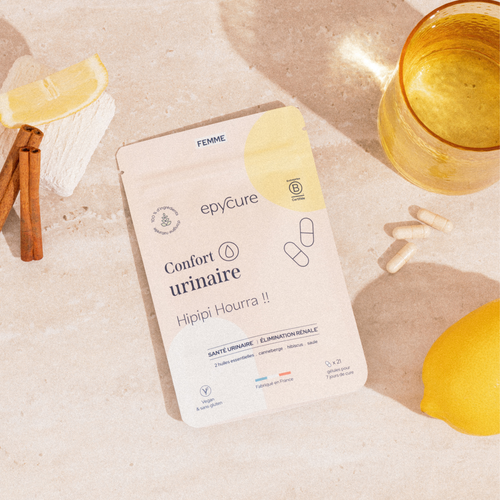
Urinary tract infections or cystitis affect many women. In addition to being painful and recurring regularly, they often lead to the use of antibiotics, which can disrupt the intestinal flora... To overcome them in a way that is both natural and effective, the Urinary Comfort Course is the perfect ally. The formula will help you quickly regain urinary well-being by targeting the infection. Formulated with active ingredients that are 100% naturally sourced, the Urinary Comfort Course combines the undeniable power of essential oils with that of plants for rapid action on urinary discomfort.
- Cranberry, also known as cranberry, is rich in PACs (proanthocyanidins) and thus helps to limit the proliferation of the bacterium E. coli, thereby reducing the risk of recurrence,
- Hibiscus is traditionally used to stimulate the kidneys and therefore improve renal elimination, a crucial step in treating urinary tract infections,
- White willow, rich in salicin, helps reduce pain occurring during a urinary tract infection,
- Cinnamon and rosemary essential oils will respectively combat a wide variety of infections and bacteria and act specifically against the bacterium E. coli, the bacterium responsible for most urinary tract infections.
Going further..
Emotional openness
If we now turn to a more subtle subject, that of the emotional impact of disorders and illnesses, we discover that the urinary system is connected to the notion of territory: feeling comfortable in your space, safe, having your place, and not allowing others to encroach on your territory. It may therefore be worthwhile to reflect on these issues if you suffer from chronic, unexplained urinary problems.
Interstitial cystitis
Another avenue to explore if you suffer from urinary problems or frequent urges to urinate but your tests show nothing: it may be interstitial cystitis or inflammation in the area. In this case, compounds such as D-mannose, as well as cranberry and probiotics, may be recommended by your healthcare practitioner.
We hope that these various tips will find a small place in your daily life and help you regain urinary comfort and space out episodes. In any case, talk to your doctor to prevent your symptoms from worsening.
And you, what are your tips for dealing with urinary problems?